
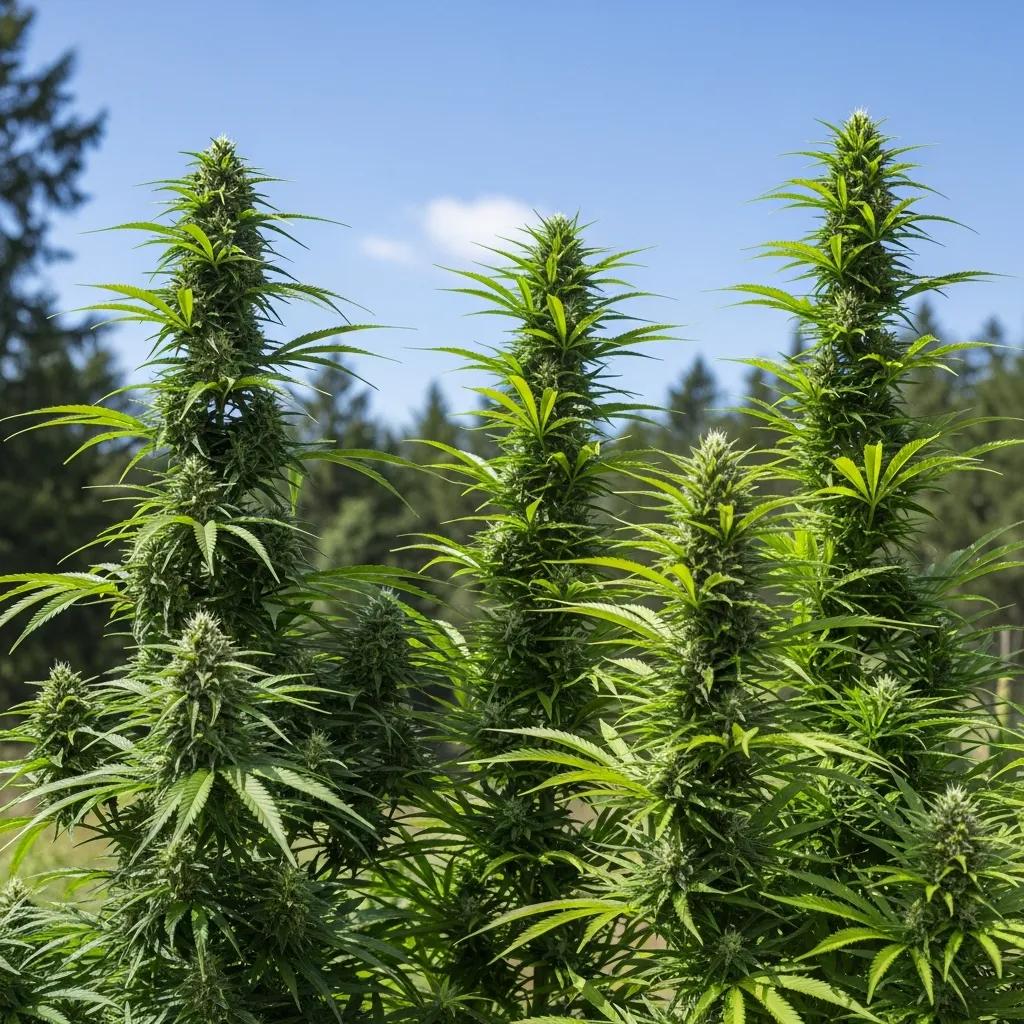
Indica vs Sativa: What’s the Difference?
Quick answer: Traditionally, Indica strains are recognized for their relaxing and sedative effects, ideal for unwinding, sleep, and pain relief. Conversely, Sativa strains typically offer uplifting and energizing effects, suitable for daytime use, enhancing focus, and mood elevation. However, the cannabis landscape also includes a vast array of hybrid strains, blending these characteristics. Understanding these distinct effects, alongside the intricate entourage effect of cannabinoids and terpenes, and considering personal goals, is crucial for making truly informed cannabis choices.
Key Takeaways
Indica strains provide relaxing, sedative effects, beneficial for sleep aid and pain relief.
Sativa strains offer uplifting, energizing effects, enhancing focus and mood elevation.
Physical characteristics differentiate them: Indica are shorter/bushier, Sativa are taller/leaner.
Cannabinoid and terpene profiles, particularly THC:CBD ratios, significantly influence a strain’s effects.
Making informed choices requires defining personal goals and considering specific cannabinoid ratios.
Indica vs Sativa: Strain Effects for Informed ChoicesThe
Key Takeaways
- Indica strains provide relaxing, sedative effects, beneficial for sleep aid and pain relief.
- Sativa strains offer uplifting, energizing effects, enhancing focus and mood elevation.
- Physical characteristics differentiate them: Indica are shorter/bushier, Sativa are taller/leaner.
- Cannabinoid and terpene profiles, particularly THC:CBD ratios, significantly influence a strain’s effects.
- Making informed choices requires defining personal goals and considering specific cannabinoid ratios.
Indica vs Sativa: Strain Effects for Informed Choices
The world of cannabis is rich and diverse, with two primary types of strains—Indica and Sativa—each offering unique effects and benefits. Understanding the differences between these strains is crucial for consumers seeking to make informed choices about their cannabis use. This article will delve into the key distinctions between Indica and Sativa strains, their respective benefits, and guidance for selecting the right strain based on individual needs. Many users may find themselves confused about which strain to choose for specific effects, whether for relaxation, creativity, or medicinal purposes. By exploring the characteristics and benefits of each strain type, readers will gain valuable insights into how to select the most suitable cannabis products for their preferences and requirements.
Key Differences Between Indica and Sativa Strains
Indica and Sativa strains are distinguished by their physical characteristics, chemical profiles, and effects on the body and mind. Indica strains are typically shorter and bushier, with broader leaves, while Sativa strains are taller and leaner, featuring narrower leaves. The chemical composition of these strains also varies, particularly in their cannabinoid and terpene profiles, which contribute to their unique effects.
Indica strains are known for their relaxing and sedative effects, making them ideal for evening use or for those seeking relief from anxiety and insomnia. In contrast, Sativa strains are often associated with uplifting and energizing effects, making them suitable for daytime use and creative activities. Understanding these differences can help consumers choose the right strain for their desired experience.
Benefits of Each Strain Type
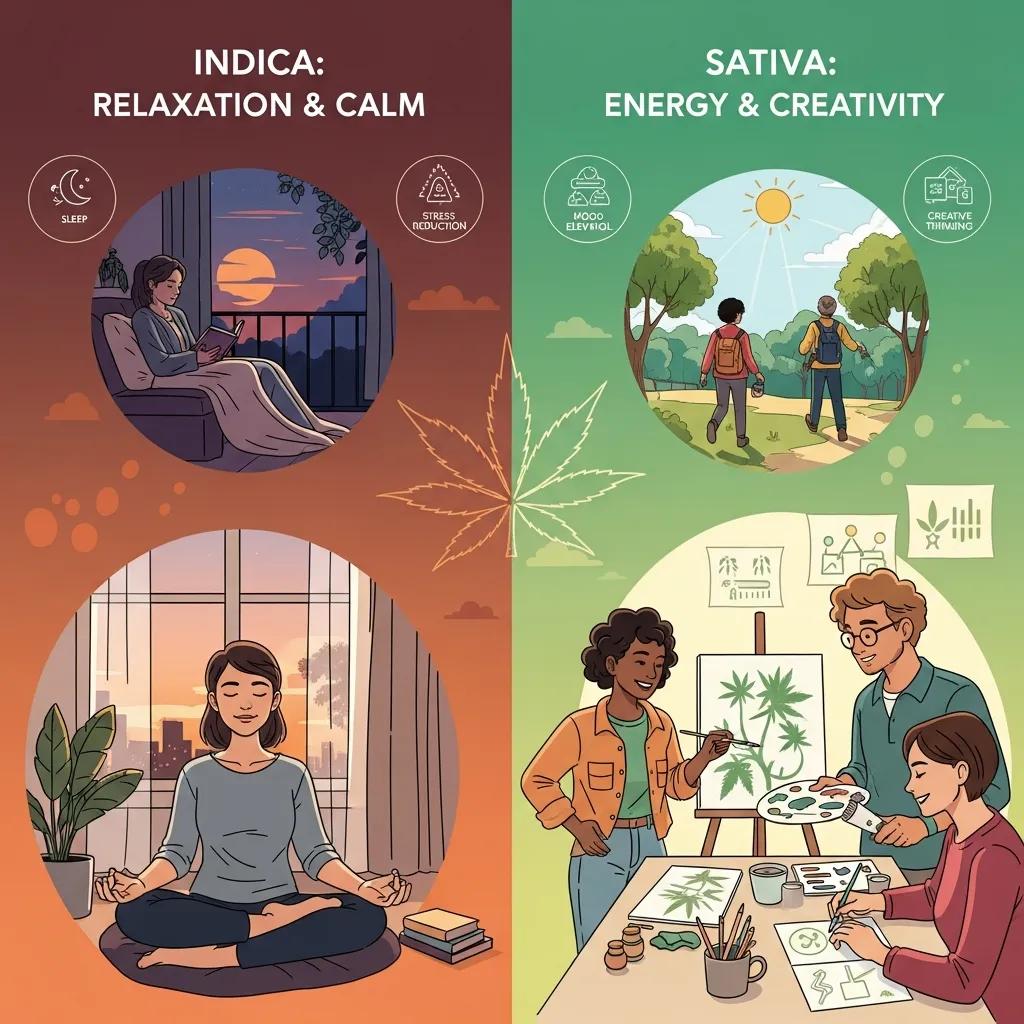
Both Indica and Sativa strains offer distinct benefits that cater to different needs and preferences. Here are some of the key advantages of each strain type:
- Indica Benefits: Relaxation: Indica strains are renowned for their calming effects, making them ideal for unwinding after a long day.Sleep Aid: Many users find Indica strains helpful for promoting sleep, making them a popular choice for those struggling with insomnia.Pain Relief: Indica strains can provide significant relief from chronic pain and muscle tension, making them beneficial for medical users.
- Sativa Benefits:Energy Boost: Sativa strains are often chosen for their energizing effects, making them suitable for social gatherings or creative projects.Enhanced Focus: Many users report improved concentration and mental clarity when using Sativa strains, which can be beneficial for tasks requiring sustained attention.Mood Elevation: Sativa strains are known for their uplifting effects, helping to alleviate symptoms of depression and anxiety.
For those seeking high-quality cannabis products, The Green Medicine Shop offers a range of Indica and Sativa strains, providing educational content to help consumers make informed choices.
Guidance for Making Informed Choices

When selecting a cannabis strain, it’s essential to consider personal goals and preferences. Here are some tips to guide consumers in making informed choices:
- Define Your Goals: Determine what effects you are seeking from cannabis, whether it’s relaxation, pain relief, or increased energy.
- Consider Cannabinoid Ratios: Different strains have varying levels of THC and CBD, which can influence the overall experience. Higher THC levels may provide more psychoactive effects, while CBD is known for its therapeutic benefits without the high.
Understanding the interplay between these compounds is crucial, as further elaborated by experts on how THC:CBD ratios significantly shape a strain’s effects.
THC:CBD Ratios Influence Cannabis Strain Effects
Why do strains like Blue Dream and Harlequin have such different effects? In large part, it’s because they have very different THC-to-CBD ratios. THC and CBD are the two most abundant cannabinoids in most strains. THC is well known as the major psychoactive compound. CBD is best known for having a wide range of medical uses. While CBD lacks the psychoactive properties of THC, it does influence the effects of THC in the brain. This is why the THC:CBD ratio strongly influences a strain’s effects, and why that ratio is important when deciding which strain is right for you.
How Strain Genetics Influence THC: CBD Ratios
- Consult Experts: Engaging with knowledgeable staff at dispensaries or retailers can provide valuable insights into strain selection based on individual needs.
By understanding the differences between Indica and Sativa strains and considering personal preferences, consumers can make informed decisions that enhance their cannabis experience.
Optimizing Your Cannabis Experience: Beyond Strain Types
While the Indica and Sativa framework provides a valuable starting point, a truly informed cannabis choice delves deeper into the plant’s intricate chemistry. Beyond THC and CBD, a spectrum of minor cannabinoids like CBN, CBG, and CBC each contribute unique therapeutic properties, influencing effects such as sleep, anti-inflammation, or mood regulation. Similarly, specific terpene profiles—aromatic compounds like Myrcene for relaxation, Limonene for uplift, or Caryophyllene for anti-inflammatory benefits—play a pivotal role in shaping a strain’s overall impact, often working synergistically to create distinct experiences.
Understanding the “entourage effect” is key here, where these cannabinoids and terpenes interact to amplify or modify each other’s benefits, producing an outcome greater than the sum of their individual parts. Furthermore, your chosen consumption method significantly dictates the onset, duration, and intensity of effects. Vaping or smoking offers rapid onset, while edibles provide a delayed but often more potent and prolonged experience. Tinctures and topicals offer alternative delivery systems with their own unique characteristics. Finally, mastering dosage and titration—starting with a low dose and gradually increasing until desired effects are achieved—is paramount for a safe, predictable, and personalized cannabis journey, regardless of strain type.
Sources & Methodology
This article aims to provide an informed overview of Indica and Sativa cannabis strains, their effects, and the broader science of cannabis, drawing upon current scientific understanding and expert consensus. The information presented is for educational purposes and is not intended as medical advice. We encourage readers to consult with qualified healthcare professionals for personalized guidance.
About the Author: Steven Rainwater is a dedicated cannabis educator and researcher with over a decade of experience in botanical science, cannabinoid research, and patient advocacy. His work focuses on demystifying cannabis science and promoting responsible, informed consumption choices. He regularly contributes to educational initiatives aimed at enhancing public understanding of cannabis therapeutics and its complex chemistry.
Publication Date: October 26, 2023
Last Updated: October 26, 2023
Methodology: The content of this article is based on a comprehensive review of peer-reviewed scientific literature, reports from reputable medical and governmental health organizations, and insights from leading experts in cannabis research. While traditional classifications like “Indica” and “Sativa” are widely used, this article also emphasizes the more nuanced understanding of cannabis effects driven by specific cannabinoid and terpene profiles, as supported by emerging scientific evidence. We prioritize accuracy and the latest findings to ensure our readers receive reliable information.
References:
- National Academies of Sciences, Engineering, and Medicine. (2017). The Health Effects of Cannabis and Cannabinoids: The Current State of Evidence and Recommendations for Research. The National Academies Press. https://www.google.com/search?q=National+Academies+Cannabis+report
- Russo, E. B. (2011). Taming THC: potential cannabis synergy and phytocannabinoid-terpenoid entourage effects. British Journal of Pharmacology, 163(7), 1344–1364. https://www.google.com/search?q=Russo+entourage+effect+2011
- National Institute on Drug Abuse (NIDA). (2023). Marijuana Research Report. https://www.google.com/search?q=NIDA+Marijuana+Research+Report
- MacCallum, C. A., & Russo, E. B. (2016). Practical considerations in medical cannabis administration and dosing. European Journal of Internal Medicine, 42, 12-19. https://www.google.com/search?q=MacCallum+Russo+medical+cannabis+dosing
- Piomelli, D., & Sasso, O. (2014). The endocannabinoid system and the therapeutic potential of cannabis. Neurotherapeutics, 11(4), 675-687. https://www.google.com/search?q=Piomelli+endocannabinoid+system
