Why Choose Hybrid Weed Strains Over Others?
Hybrid weed strains have gained popularity among cannabis users for their unique ability to combine the best characteristics of both indica and sativa varieties. These strains offer a balanced experience, catering to a wide range of preferences and needs. In this article, we will explore the defining features of hybrid strains, their benefits, and how they can enhance your wellness journey. Many users seek effective solutions for various conditions, and hybrid strains provide a versatile option that can address multiple symptoms simultaneously. We will delve into the genetics of hybrid cannabis, their medical uses, and how to select the right strain for your specific wellness goals.
What Are Hybrid Weed Strains and How Do They Differ From Indica and Sativa?
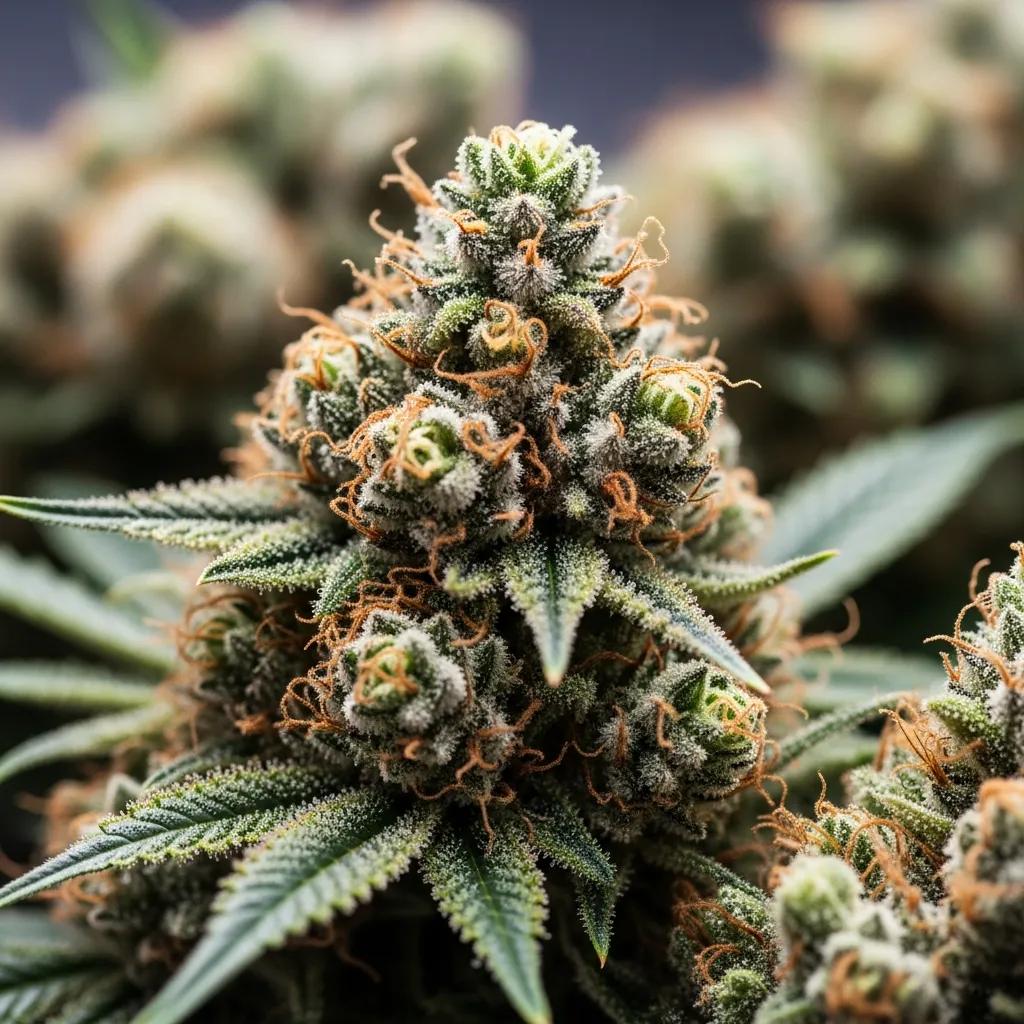
Hybrid weed strains are a blend of indica and sativa genetics, designed to offer a balanced effect that can cater to different user preferences. Unlike pure indica strains, which are known for their relaxing properties, or pure sativa strains, which tend to be more uplifting, hybrids can provide a spectrum of effects. This versatility makes them appealing to a broader audience, as users can select hybrids that align with their desired outcomes. The unique combination of these two types allows for a tailored experience, making hybrids a popular choice among both recreational and medicinal users.
The Green Medicine Shop emphasizes hybrid weed strains as a balanced alternative to pure indica or sativa varieties, providing options that can suit various needs and preferences.
Defining Hybrid Cannabis: Genetics and Indica-Sativa Ratios
Hybrid cannabis strains are created through the crossbreeding of indica and sativa plants, resulting in a diverse range of effects and characteristics. The genetic makeup of these hybrids can vary significantly, with different ratios of indica to sativa influencing their effects. For instance, a strain that is 70% indica and 30% sativa may provide more relaxing effects, while a 60% sativa and 40% indica strain might be more energizing. Understanding these genetic ratios is crucial for users looking to achieve specific outcomes, whether for relaxation, creativity, or pain relief.
Indeed, the extensive cross-breeding that defines hybrid strains has made traditional distinctions between Sativa and Indica increasingly difficult to maintain.
Hybrid Cannabis: Blurring Sativa & Indica Lines
Furthermore, distinguishing between “Sativa” and “Indica” has become nearly impossible because of extensive cross-breeding in the past 40 years. Traditional landraces of “Sativa” and “Indica” are becoming extinct through introgressive hybridization.
Cannabis sativa and Cannabis indica versus “Sativa” and “Indica”, 2017
How Hybrid Strains Combine Effects for Balanced Experiences
Hybrid strains are designed to combine the best effects of both indica and sativa varieties, offering users a balanced experience. This combination allows for a more nuanced effect profile, which can be particularly beneficial for those seeking relief from multiple symptoms. For example, a hybrid strain may provide pain relief while also enhancing mood and focus, making it suitable for daytime use. The ability to tailor effects based on the specific hybrid strain chosen is one of the key advantages of using hybrids over pure strains.
What Are the Medical Uses and Wellness Benefits of Hybrid Marijuana?
Hybrid marijuana strains offer a variety of medical uses and wellness benefits, making them a popular choice for patients seeking relief from various conditions. Some of the key benefits include:
- Pain Relief: Many hybrid strains are effective in managing chronic pain, thanks to their balanced cannabinoid profiles.
- Anxiety Reduction: Hybrids can help alleviate anxiety symptoms, providing a calming effect without the overwhelming sedation often associated with pure indica strains.
- Mood Enhancement: The uplifting effects of certain hybrid strains can improve mood and promote a sense of well-being.
The versatility of hybrid strains allows users to find a strain that meets their specific needs, whether for medical or recreational purposes.
How Do Hybrid Strains Help Manage Anxiety and Chronic Pain?
Hybrid strains can be particularly effective in managing anxiety and chronic pain due to their balanced effects. The combination of cannabinoids and terpenes in these strains can work synergistically to provide relief. For instance, a hybrid strain with higher CBD content may help reduce anxiety without the psychoactive effects of THC, making it suitable for daytime use. Additionally, the pain-relieving properties of certain hybrids can help users maintain functionality while managing their symptoms.
Further research supports the efficacy of hybrid strains, particularly highlighting their preference among patients seeking relief from chronic pain and their role in reducing reliance on prescription medications.
Hybrid Strains Preferred for Chronic Pain Relief
Hybrid strains were most preferred across all pain subtypes, with “OG Shark” the most preferred strain in the ID Migraine™ and headache groups. Many pain patients substituted prescription medications with cannabis (41.2–59.5%), most commonly opiates/opioids (40.5–72.8%).
Patterns of medicinal cannabis use, strain analysis, and substitution effect among patients with migraine, headache, arthritis, and chronic pain in a medicinal cannabis …, EP Baron, 2018
What Recent Research Supports Hybrid Cannabis for Wellness?
Recent studies have highlighted the potential benefits of hybrid cannabis strains for various health conditions. Research indicates that the balanced cannabinoid profiles found in hybrids can provide effective symptom relief for conditions such as anxiety, chronic pain, and even insomnia. As the understanding of cannabis genetics continues to evolve, more targeted research is likely to emerge, further validating the therapeutic potential of hybrid strains.
Which Are the Top Hybrid Cannabis Varieties in 2023?
As of 2023, several hybrid cannabis varieties have gained popularity for their unique effects and benefits. Some of the top hybrid strains include:
- Blue Dream: A balanced hybrid known for its calming effects and ability to relieve stress.
- Girl Scout Cookies: A popular strain that combines euphoric effects with pain relief.
- Wedding Cake: Known for its sweet flavor and relaxing properties, making it ideal for evening use.
These strains exemplify the diversity and versatility of hybrid cannabis, catering to a wide range of user preferences.
How to Choose the Right Hybrid Weed Strain for Your Wellness Goals?
Choosing the right hybrid weed strain involves considering several factors, including desired effects, cannabinoid profiles, and personal preferences. Users should assess their specific wellness goals, such as pain relief, anxiety management, or mood enhancement, and select a strain that aligns with those needs. Additionally, consulting with knowledgeable professionals can provide valuable insights into which strains may be most effective for individual circumstances.
What Factors Should You Consider: Cannabinoid Profiles and Effects?
When selecting a hybrid strain, it is essential to consider the cannabinoid profiles and their effects. Key factors to evaluate include:
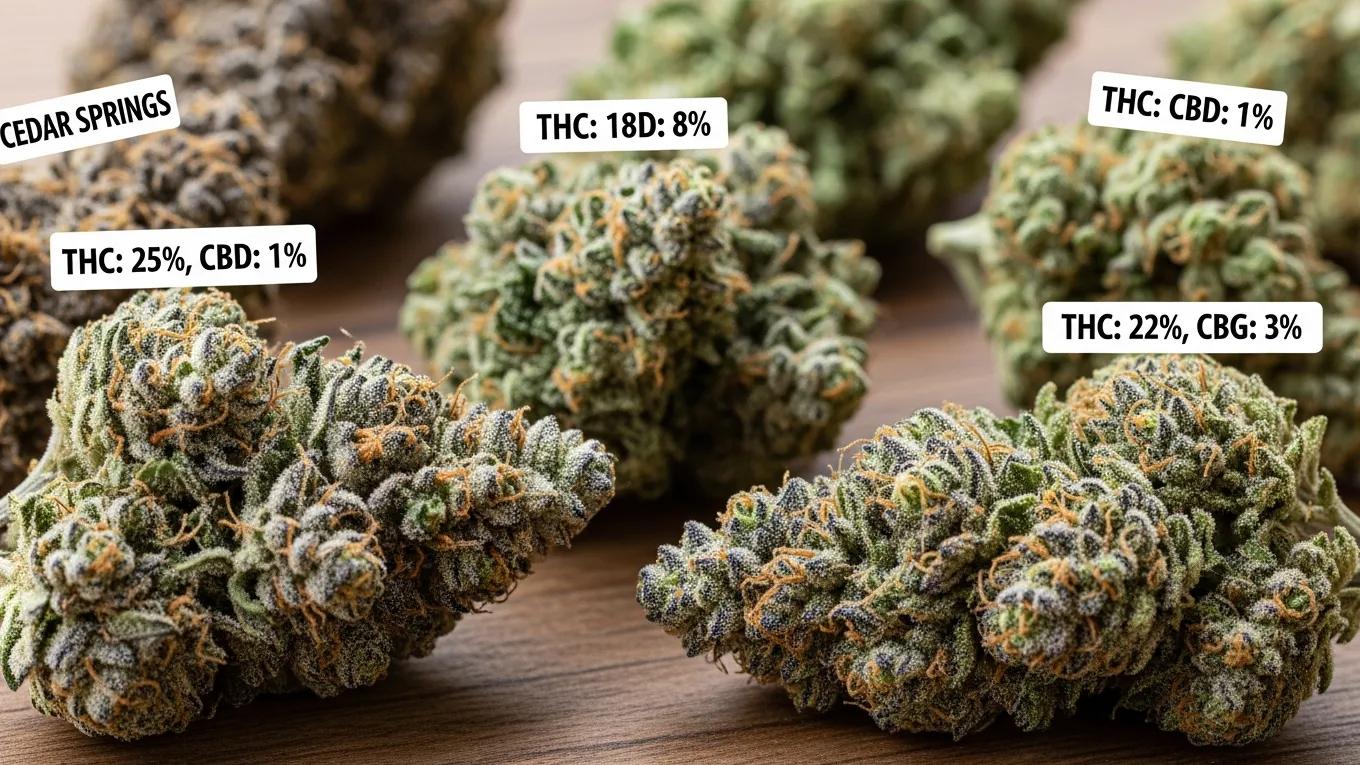
- THC and CBD Levels: Higher THC levels may provide more psychoactive effects, while higher CBD levels can offer therapeutic benefits without intoxication.
- Terpene Profiles: Terpenes contribute to the aroma and flavor of cannabis and can also influence effects. For example, myrcene is known for its relaxing properties, while limonene may enhance mood.
- User Preferences: Individual tolerance and preferences play a significant role in strain selection, as different users may respond differently to the same strain.
Understanding these factors can help users make informed decisions when choosing a hybrid strain.
How Can Personalized Consultations Enhance Hybrid Strain Selection?
Personalized consultations can significantly enhance the process of selecting the right hybrid strain. By discussing individual health goals, preferences, and experiences with a knowledgeable consultant, users can receive tailored recommendations that align with their specific needs. This personalized approach ensures that users find the most suitable strains for their wellness journey, maximizing the benefits of hybrid cannabis.
What Are the Effects of Hybrid Weed and How Long Do They Last?
The effects of hybrid weed can vary widely depending on the specific strain and its cannabinoid profile. Generally, users can expect a combination of uplifting and relaxing effects, which can help with both mental and physical symptoms. The duration of these effects typically lasts between 2 to 6 hours, depending on factors such as dosage, consumption method, and individual tolerance. Understanding these effects can help users plan their consumption accordingly.
How Do Consumption Methods Influence Hybrid Cannabis Effects?
The method of consumption can significantly influence the effects of hybrid cannabis. Common methods include:
- Smoking or Vaping: Provides rapid onset of effects, typically within minutes, making it suitable for immediate relief.
- Edibles: Offer longer-lasting effects, but the onset can take 30 minutes to 2 hours, which may not be ideal for those seeking quick relief.
- Tinctures: Allow for precise dosing and can provide effects within 15-45 minutes, offering a middle ground between smoking and edibles.
Each method has its advantages and can be chosen based on individual preferences and needs.
How Can Booking a Wellness Consultation Improve Your Hybrid Cannabis Experience?
Booking a wellness consultation can greatly enhance the hybrid cannabis experience by providing personalized guidance and education. During a consultation, users can learn about different strains, dosing strategies, and consumption methods tailored to their specific needs. This support can lead to more effective use of hybrid cannabis, ensuring that users achieve their desired outcomes while minimizing potential side effects.
What Services Does The Green Medicine Shop Offer for Hybrid Strain Guidance?
The Green Medicine Shop offers a range of services to assist customers in selecting the right hybrid strains for their needs. These services include:
- Expert Guidance: Knowledgeable staff provide insights into various strains and their effects.
- Quality Assurance: The Green Medicine Shop ensures that all products meet high-quality standards for safety and efficacy.
- Customer Education: Workshops and informational resources help customers understand the benefits and uses of hybrid cannabis.
These services are designed to empower users in their cannabis journey, ensuring they make informed choices.
How Do Expert Consultations Support Health-Conscious Cannabis Use?
Expert consultations play a crucial role in supporting health-conscious cannabis use by providing personalized recommendations and safety information. Professionals can help users navigate the complexities of cannabis strains, dosing, and potential interactions with other medications. This guidance is particularly valuable for individuals with specific health concerns or those new to cannabis use, ensuring a safe and effective experience.
What Are Common Questions About Hybrid Weed Strains?
Many users have common questions regarding hybrid weed strains, including:
- What is a hybrid strain?: A hybrid strain is a crossbreed of indica and sativa cannabis plants, designed to offer a balanced effect.
- How do I choose the right hybrid strain?: Consider your desired effects, cannabinoid profiles, and personal preferences when selecting a strain.
- Are hybrid strains suitable for beginners?: Yes, many hybrid strains offer a balanced experience that can be suitable for new users.
These questions reflect the growing interest in hybrid strains and the need for accessible information.
How Does The Green Medicine Shop Ensure Quality and Wellness Focus in Hybrid Strains?
The Green Medicine Shop prioritizes quality and wellness in its hybrid strains by implementing rigorous quality control measures. This includes sourcing cannabis from reputable growers, conducting lab testing for potency and contaminants, and providing transparent information about each strain’s effects and benefits. By focusing on quality, The Green Medicine Shop ensures that customers receive safe and effective products that align with their wellness goals.
What Is The Role of Structured Data and Expert Guidance in Product Selection?
Structured data plays a vital role in enhancing the product selection process by providing clear and organized information about cannabis strains. This data helps users understand the characteristics, effects, and benefits of each strain, making it easier to make informed choices. Expert guidance complements this structured data by offering personalized insights and recommendations based on individual needs, ensuring a comprehensive approach to strain selection.
How Are Hybrid Strains Curated for Balanced Therapeutic Benefits?
Hybrid strains are carefully curated to ensure balanced therapeutic benefits through a combination of genetic selection and cultivation practices. Growers focus on developing strains that exhibit desirable effects while maintaining a harmonious balance between indica and sativa characteristics. This curation process involves selecting parent plants with complementary traits, resulting in hybrids that can effectively address a range of symptoms and preferences.