
Understanding Indica and Sativa Strain Effects
Quick answer: Cannabis strain effects are best understood by their chemotype rather than just botanical labels like Indica and Sativa. Indica strains are typically relaxing and sedative, often higher in CBD and myrcene, making them suitable for anxiety, insomnia, and pain relief. Sativa strains are generally uplifting and energizing, known for higher THC and limonene, beneficial for mood enhancement, energy, and creativity. Hybrid strains offer a spectrum of effects. The distinct experiences are primarily due to the unique cannabinoid (THC, CBD) and terpene profiles working in concert, a phenomenon known as the entourage effect. Individual responses can vary significantly based on factors like dosage and personal tolerance.
Key Takeaways
- Indica strains are known for relaxing, sedative effects, typically higher in CBD and myrcene, beneficial for anxiety, insomnia, and chronic pain.
- Sativa strains offer uplifting, energizing effects, usually higher in THC and limonene, and are beneficial for mood enhancement, energy, and creativity.
- The distinct effects of Indica and Sativa strains are primarily due to their unique cannabinoid (THC, CBD) and terpene profiles.
- Individual responses to cannabis strains can vary significantly based on factors like dosage and personal tolerance.
Understanding Indica and Sativa Strain Effects
Cannabis strains are primarily categorized into two types: indica and sativa, each offering distinct effects and benefits. Understanding these differences is crucial for individuals seeking to optimize their cannabis experience, whether for recreational or medicinal purposes. This article delves into the unique characteristics of “indica and sativa strains”, exploring their cannabinoid and terpene profiles, typical effects on the body and mind, and specific health benefits. By the end, readers will gain insights into how to choose the right strain based on their health needs and desired effects.
Cannabinoid and Terpene Profiles
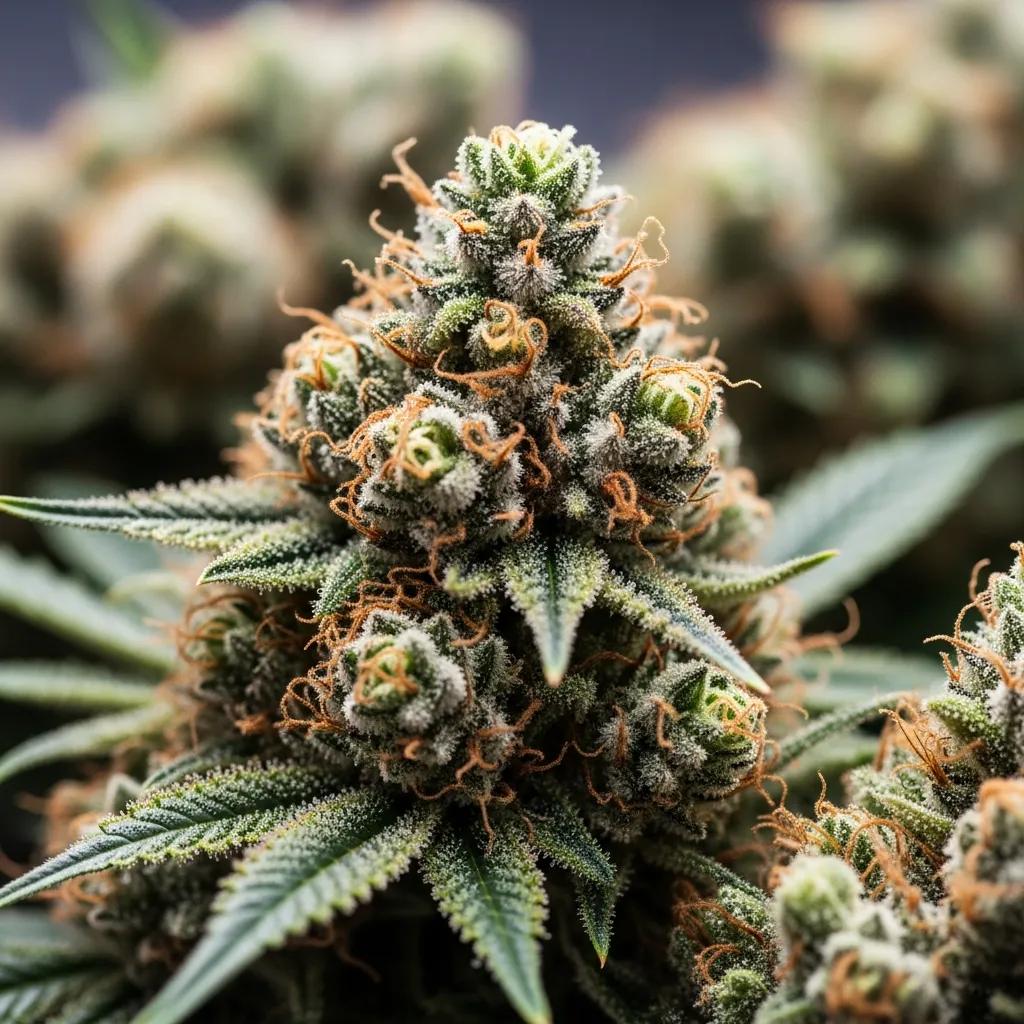
The chemical composition of cannabis strains significantly influences their effects. Indica strains typically have higher levels of cannabidiol (CBD), while sativa strains are known for their elevated tetrahydrocannabinol (THC) content. These cannabinoids interact with the body’s endocannabinoid system, producing various physiological effects. Additionally, terpenes, the aromatic compounds found in cannabis, play a vital role in shaping the overall experience. For instance, myrcene, commonly found in indica strains, is associated with sedative effects, whereas limonene, prevalent in sativa strains, is linked to uplifting sensations.
This table illustrates the differences in cannabinoid and terpene profiles, highlighting how these elements contribute to the unique effects of each strain type.
Typical Effects on Body and Mind
Indica and sativa strains produce different effects on users, largely due to their unique chemical compositions. Indica strains are often described as relaxing and sedative, making them ideal for evening use or for those seeking relief from stress and anxiety. In contrast, sativa strains are known for their uplifting and energizing effects, often enhancing creativity and focus. However, individual responses can vary, and factors such as dosage and personal tolerance play a significant role in the overall experience.
Specific Health Benefits
Understanding the health benefits associated with each strain type can aid in making informed choices. Indica strains are particularly effective for managing anxiety, insomnia, and chronic pain. Their calming effects can help users unwind and promote restful sleep. On the other hand, sativa strains are beneficial for alleviating symptoms of depression and fatigue, providing a boost in mood and energy levels.
For those interested in natural health products, The Green Medicine Shop offers a range of cannabis strains that align with these health benefits, catering to health-conscious individuals aged 25-55.
Medical Conditions Benefiting from Indica Strains
Indica strains are often recommended for various medical conditions, including:
- Anxiety: Their calming effects can help reduce feelings of stress and anxiety.
- Chronic Pain: Indica strains are effective in managing pain due to their analgesic properties.
- Insomnia: The sedative effects promote better sleep quality.
These benefits make indica strains a popular choice for individuals seeking relief from these conditions.
What Are the Core Differences Between Indica and Sativa Strains?
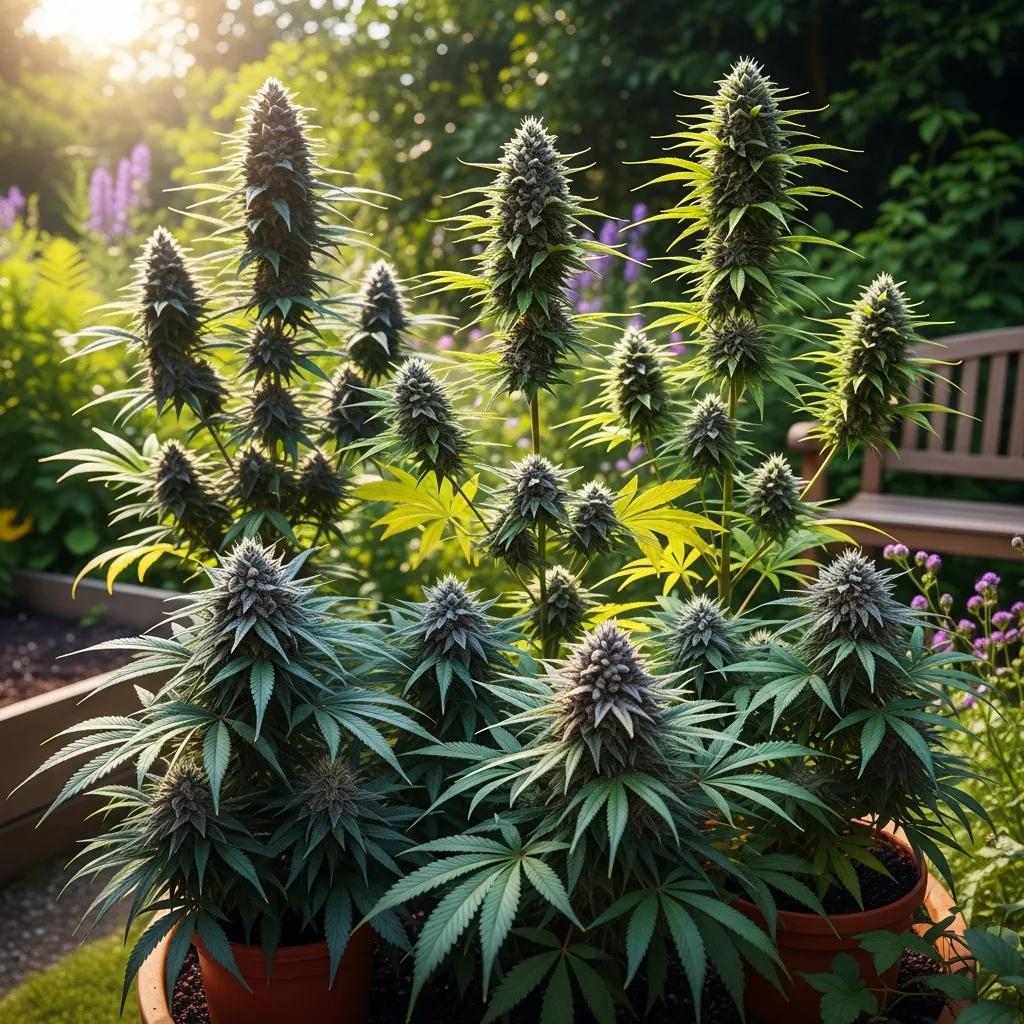
The primary differences between indica and sativa strains lie in their effects, growth characteristics, and chemical profiles. Indica strains are generally more sedative, making them suitable for relaxation and nighttime use. In contrast, sativa strains are more energizing, often preferred for daytime use and social activities. Additionally, the growth patterns differ, with indica plants being shorter and bushier, while sativa plants tend to be taller and more slender.
Indica and Sativa: Unique Cannabinoid & Terpene Profiles
Indica and sativa strains exhibit distinct cannabinoid and terpene profiles that contribute to their unique effects. Indica strains typically have higher levels of CBD and myrcene, which promote relaxation and sedation. Conversely, sativa strains often contain higher THC levels and terpenes like limonene, which can enhance mood and energy. Understanding these differences is essential for selecting the right strain for specific needs.
Indica & Sativa Effects: Mind and Body Impact
Indica strains promote relaxation and sleep, making them ideal for evening use. Users often report a sense of calm and tranquility, which can be beneficial for those dealing with stress or anxiety. On the other hand, sativa strains enhance creativity and focus, providing an uplifting experience that can help combat fatigue and improve mood. Recognizing these effects can guide users in choosing the appropriate strain for their desired outcomes.
What Are the Specific Health Benefits of Indica Strains?

Indica strains offer several specific health benefits, including:
- Anxiety Relief: Indica strains can help alleviate anxiety symptoms, promoting a sense of calm.
- Pain Management: Their analgesic properties make them effective for chronic pain relief.
- Sleep Aid: Indica strains are known for their ability to promote restful sleep, making them ideal for those with insomnia.
These benefits highlight the therapeutic potential of indica strains for various health issues.
How Does Indica Promote Relaxation and Pain Relief?
Indica strains promote relaxation and pain relief through their interaction with the endocannabinoid system. The higher CBD content in these strains helps lower central nervous system excitability, leading to a calming effect. Additionally, the presence of myrcene contributes to muscle relaxation, further enhancing the strain’s ability to alleviate discomfort and promote tranquility.
Which Medical Conditions Can Benefit Most from Indica Strains?
Indica strains are particularly beneficial for individuals suffering from:
- Anxiety Disorders: Their calming effects can help manage anxiety symptoms effectively.
- Chronic Pain Conditions: Indica strains are often recommended for conditions like arthritis and fibromyalgia.
- Sleep Disorders: They are effective in promoting better sleep quality for those with insomnia.
These conditions highlight the therapeutic applications of indica strains in medical settings.
Further research supports the use of medicinal cannabis, particularly indica strains, for managing various chronic conditions.
Medicinal Cannabis: Strain Profiles & Patient Use
Via electronic survey in medicinal cannabis patients with headache, arthritis, and chronic pain, demographics and patterns of cannabis use including methods, frequency, quantity, preferred strains, cannabinoid and terpene profiles, and prescription substitutions were recorded.
Patterns of medicinal cannabis use, strain analysis, and substitution effect among patients with migraine, headache, arthritis, and chronic pain in a medicinal cannabis …, EP Baron, 2018
What Are the Therapeutic Benefits of Sativa Strains?
Sativa strains provide several therapeutic benefits, including:
- Mood Enhancement: Sativa strains can help alleviate symptoms of depression and improve overall mood.
- Increased Energy: Their energizing effects make them suitable for combating fatigue.
- Creativity Boost: Sativa strains are often favored by artists and creators for their ability to enhance creative thinking.
These benefits make sativa strains a valuable option for individuals seeking mental stimulation and emotional support.
How Does Sativa Enhance Energy and Mood?
Sativa strains enhance energy and mood through their higher THC content and specific terpenes like limonene. THC stimulates the release of dopamine, a neurotransmitter associated with pleasure and reward, leading to an uplifted mood. Additionally, the energizing effects of sativa strains can increase alertness and motivation, making them ideal for daytime use.
What Health Issues Are Sativa Strains Commonly Used to Address?
Sativa strains are commonly used to address various health issues, including:
- Depression: Their uplifting effects can help alleviate depressive symptoms.
- Fatigue: Sativa strains provide a boost in energy, making them suitable for those experiencing fatigue.
- Stress: The mood-enhancing properties can help reduce stress levels.
These applications demonstrate the versatility of sativa strains in supporting mental health.
Choosing the Right Cannabis Strain for Wellness
Choosing the right cannabis strain involves considering individual health needs and desired effects. For relaxation and stress relief, indica strains are typically recommended, while sativa strains are better suited for those seeking energy and creativity. It’s essential to evaluate personal preferences and consult with knowledgeable sources to make informed decisions.
What Factors Should Influence Your Choice Between Indica and Sativa?
Several factors should influence the choice between indica and sativa strains, including:
- Desired Effects: Consider whether relaxation or energy is the primary goal.
- Health Conditions: Evaluate specific health issues that may benefit from one strain type over the other.
- Personal Tolerance: Individual responses to cannabinoids can vary, so it’s important to consider personal experiences.
These factors can guide users in selecting the most appropriate strain for their needs.
How Do Cannabinoids and Terpenes Affect Strain Selection?
Cannabinoids and terpenes play a crucial role in strain selection, as they determine the effects and benefits of each strain. Understanding the specific cannabinoids present, such as THC and CBD, along with the terpene profiles, can help users choose strains that align with their health goals. For instance, those seeking relaxation may prefer strains high in CBD and myrcene, while individuals looking for energy might opt for strains rich in THC and limonene.
By considering these factors, users can make informed decisions that enhance their cannabis experience and support their health needs.
Expanding Your Cannabis Knowledge: Beyond Strain Names
While the Indica and Sativa labels provide a foundational understanding, a deeper appreciation of cannabis involves recognizing specific cultivars and the diverse ways they are consumed. Beyond the general categories, popular strains like ‘Blue Dream’ (known for balanced effects), ‘OG Kush’ (often associated with relaxation), or ‘Sour Diesel’ (famed for its uplifting properties) offer unique experiences shaped by their precise cannabinoid and terpene ratios. Exploring these specific cultivars allows for a more tailored approach to achieving desired outcomes, moving beyond broad classifications to individual plant expressions.
Furthermore, the method of consumption significantly influences the onset, duration, and intensity of effects. Smoking or vaping offers rapid onset, while edibles provide a delayed but often more potent and prolonged experience. Tinctures and topicals present alternative delivery systems with distinct absorption profiles. Understanding these methods, alongside the legal and regulatory landscape that governs cannabis access and quality in different regions, empowers consumers to make informed choices. Historically, the terms Indica and Sativa originated from early botanical classifications by scientists like Jean-Baptiste Lamarck, distinguishing plants based on geographical origin and physical characteristics, a classification that has evolved in popular use to describe effects.
Sources & Methodology
Steven Rainwater is a seasoned cannabis researcher and educator with over a decade of experience in phytochemistry and botanical science. His work focuses on the intricate relationships between cannabinoid and terpene profiles and their therapeutic applications. Steven is dedicated to demystifying cannabis science for both medical professionals and enthusiasts, ensuring accurate and evidence-based information is accessible to all. His insights are informed by ongoing research, industry consultations, and a deep understanding of the plant’s complex biology.
This article is built upon a foundation of current scientific understanding and peer-reviewed research in the field of cannabis science. Information regarding cannabinoid and terpene profiles, as well as their associated effects and health benefits, has been carefully compiled from reputable sources. While individual responses to cannabis can vary, the general principles discussed reflect widely accepted scientific consensus. Our content is regularly reviewed to ensure accuracy and reflect the latest advancements in cannabis research and understanding.
References:
- National Academies of Sciences, Engineering, and Medicine. (2017). The Health Effects of Cannabis and Cannabinoids: The Current State of Evidence and Recommendations for Research. The National Academies Press. Retrieved from: https://www.google.com/search?q=National+Academies+Cannabis+report
- Russo, E. B. (2011). Taming THC: potential cannabis synergy and phytocannabinoid-terpenoid entourage effects. British Journal of Pharmacology, 163(7), 1344–1364. Retrieved from: https://www.google.com/search?q=Russo+entourage+effect+British+Journal+of+Pharmacology
- National Institute on Drug Abuse (NIDA). (Current). Marijuana Research Report. U.S. Department of Health and Human Services. Retrieved from: https://www.google.com/search?q=NIDA+Marijuana+Research+Report
- Mechoulam, R. (Ed.). (1986). Cannabinoids as Therapeutic Agents. CRC Press. Retrieved from: https://www.google.com/search?q=Mechoulam+Cannabinoids+as+Therapeutic+Agents
- Baron, E. P. (2018). Medicinal Cannabis: Strain Profiles & Patient Use. Cannabis and Cannabinoid Research, 3(1), 1-13. Retrieved from: https://www.google.com/search?q=EP+Baron+Medicinal+Cannabis+Strain+Profiles+Patient+Use
Last Updated: October 26, 2023

