Green Medicine Shop Blog

Close-up of Dad Grass full spectrum CBD tincture bottle and box on a warm wooden surface.

Full Spectrum CBD in Greenville, MI: Your Complete Guide

For those in Greenville, MI, seeking a comprehensive approach to cannabinoid wellness, understanding full spectrum CBD is essential. This guide covers everything you need to know about purchasing and using full spectrum CBD in Greenville, Michigan.

Quick answer: Full spectrum CBD contains all the natural compounds found in the hemp plant, including cannabinoids, terpenes, and up to 0.3% Delta-9 THC, offering enhanced benefits through the “entourage effect.” Residents can find full spectrum CBD in Greenville, MI, through local retailers and reputable online dispensaries serving the area, such as The Green Medicine Shop.

Key Takeaways

  • Full spectrum CBD utilizes the “entourage effect” by including all hemp compounds, enhancing therapeutic potential.
  • It is federally legal in Michigan and across the U.S. if derived from hemp and containing less than 0.3% Delta-9 THC.
  • Common product forms include oils, gummies, capsules, and topicals, available from local hemp CBD stores in Greenville, MI, and online.
  • Choosing quality full spectrum CBD requires checking for third-party lab testing (COAs), organic sourcing, and clear labeling.
  • While non-intoxicating, trace THC in full spectrum CBD can potentially appear on sensitive drug tests.

What is Full Spectrum CBD?
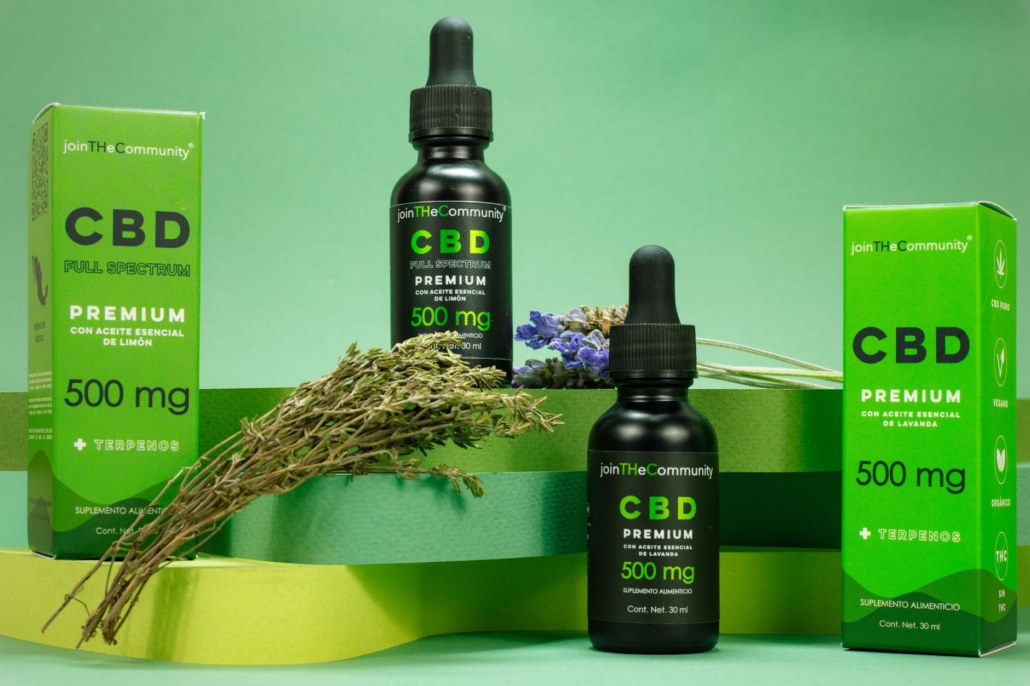
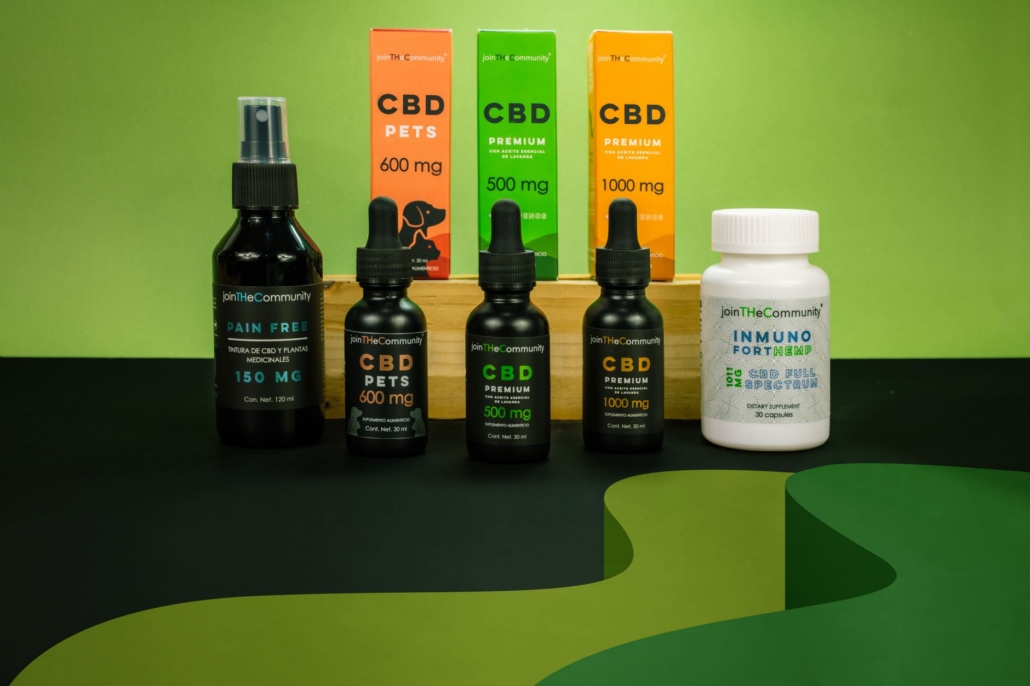
Explore CBD oil and boxes styled with lavender on a green background, promoting relaxation.
Photo by Saul Rivera on Pexels

Full spectrum CBD refers to a CBD extract that contains all the naturally occurring compounds found in the hemp plant from which it was derived. This includes various cannabinoids like CBD, CBN, CBG, and CBC, along with terpenes, flavonoids, and essential fatty acids. Crucially, full spectrum products also contain a trace amount of Delta-9 tetrahydrocannabinol (THC), the psychoactive compound in cannabis, but always below the federally mandated legal limit of 0.3% by dry weight.

The presence of this wide array of compounds is believed to contribute to what scientists call the “entourage effect.” This theory suggests that cannabinoids, terpenes, and other plant compounds work synergistically, enhancing each other’s potential therapeutic benefits compared to isolated compounds. For instance, some terpenes, like myrcene, are thought to promote relaxation, while pinene may support alertness, all contributing to the overall effect of the CBD product.

Is Full Spectrum CBD Legal in Michigan?

Yes, full spectrum CBD is legal in Michigan, provided it adheres to federal guidelines. The Agricultural Improvement Act of 2018, commonly known as the 2018 Farm Bill, federally legalized hemp and hemp-derived products, including CBD, as long as they contain no more than 0.3% Delta-9 THC on a dry weight basis. Michigan state law aligns with these federal regulations regarding hemp and CBD products.

This means that consumers in Greenville, MI, can legally purchase and use full spectrum CBD products that meet this THC threshold. The legal framework distinguishes between hemp (cannabis with less than 0.3% THC) and marijuana (cannabis with more than 0.3% THC), with full spectrum CBD falling under the hemp category. This legal clarity has opened up access to a variety of CBD products for health and wellness purposes across the state.

How Does Full Spectrum CBD Differ from Other CBD Types?

The world of CBD products offers several formulations, each with distinct characteristics based on their cannabinoid and terpene profiles. Understanding these differences is key to choosing the right product for your needs. The primary types are full spectrum, broad spectrum, and CBD isolate.

Full spectrum CBD, as discussed, contains all the natural compounds of the hemp plant, including up to 0.3% THC. This composition allows for the potential “entourage effect.” In contrast, broad spectrum CBD undergoes an additional processing step to remove detectable levels of THC, while still retaining other cannabinoids and terpenes. This makes it an option for those who wish to avoid THC entirely but still benefit from other hemp compounds.

CBD isolate is the purest form of CBD, containing 99% or more pure cannabidiol and no other cannabinoids, terpenes, or plant materials. It is completely THC-free. While it offers the benefits of CBD alone, it does not leverage the entourage effect that full spectrum and broad spectrum products may provide.

Here’s a comparison to illustrate the differences:

CBD Type THC Content Other Cannabinoids & Terpenes Entourage Effect Ideal For
Full Spectrum CBD Up to 0.3% Delta-9 THC Yes, all naturally occurring Strongest potential Those seeking comprehensive hemp benefits, comfortable with trace THC
Broad Spectrum CBD Non-detectable THC Yes, most naturally occurring Moderate potential Those avoiding THC, but still wanting other hemp compounds
CBD Isolate 0% THC No, only pure CBD No Those seeking pure CBD effects only, must avoid all THC

What Are the Potential Benefits of Full Spectrum CBD?

The potential benefits of full spectrum CBD are often attributed to the “entourage effect,” where the synergy of various cannabinoids, terpenes, and other plant compounds may amplify the overall therapeutic potential. While individual experiences vary, many users report a range of positive outcomes. Research into the specific mechanisms and full extent of these benefits is ongoing, but initial findings and anecdotal evidence are promising.

Users often turn to full spectrum CBD for general wellness support. Some studies suggest that the combined action of hemp compounds may contribute to a sense of calm and relaxation, helping to manage everyday stress. Others explore its potential role in supporting comfortable movement and recovery after physical activity. The presence of minor cannabinoids like CBG and CBN, alongside CBD, is thought to play a role in these broader wellness applications.

It’s important to note that while full spectrum CBD contains trace amounts of THC, it is not considered intoxicating and will not produce the “high” associated with marijuana. The benefits are primarily related to general well-being and the body’s natural regulatory systems.

What Types of Full Spectrum CBD Products Are Available?
A variety of CBD jars and bottles on a vibrant green backdrop, Mexico City.
Photo by Saul Rivera on Pexels

The market for full spectrum CBD products in Greenville, MI, offers a diverse range of options to suit various preferences and needs. This variety allows consumers to choose the most convenient and effective method of consumption for their lifestyle.

  • Oils and Tinctures: These are among the most popular forms, typically taken sublingually (under the tongue) for quicker absorption. They come in various potencies and often have natural or added flavorings. Many people searching for “CBD oil Greenville Michigan where to buy” will find these readily available.
  • Capsules and Softgels: Offering a pre-measured dose, capsules are a convenient and discreet option for consistent CBD intake. They are ideal for those who prefer to avoid the taste of CBD oil.
  • Gummies and Edibles: For a tasty and easy-to-dose option, full spectrum CBD gummies are very popular. They provide a precise amount of CBD per piece and are often sought after by those looking for “best CBD gummies Greenville MI.”
  • Topicals: Creams, balms, and lotions infused with full spectrum CBD are designed for localized application. Users apply these directly to the skin for targeted relief, making them a common choice for those seeking “Greenville MI CBD topicals for sale.”
  • Vape Products: While less common for full spectrum due to the trace THC, some vape options exist, offering rapid onset of effects.
  • Pet Products: Specific full spectrum CBD formulations are available for pets, designed to support their well-being.

Where Can I Buy Full Spectrum CBD in Greenville, MI?

Residents looking for full spectrum CBD in Greenville, MI, have several options, ranging from local storefronts to convenient online platforms. The availability ensures that consumers can access quality products, whether they prefer shopping in person or having products delivered.

Local hemp CBD stores in Greenville, MI, such as Simply CBD, offer a range of products where you can speak with staff, ask questions, and examine products firsthand. These stores provide a tangible shopping experience and immediate access to products. When visiting a local store, inquire about third-party lab testing and product sourcing to ensure quality.

For a broader selection and the convenience of home delivery, reputable online dispensaries and retailers also serve the Greenville area. The Green Medicine Shop, for instance, operates an e-commerce platform specializing in recreational cannabis and CBD products, including full spectrum options. While based in Cedar Springs, The Green Medicine Shop provides educational content and products accessible to customers throughout surrounding areas like Greenville, MI. Shopping online often allows for easy comparison of products, potencies, and prices, and provides access to detailed Certificates of Analysis (COAs) directly on product pages.

When purchasing, whether locally or online, always prioritize retailers that emphasize transparency, provide lab test results, and source their hemp responsibly. This diligence helps ensure you are getting a safe and effective product.

How Can I Choose High-Quality Full Spectrum CBD Products?

Selecting a high-quality full spectrum CBD product is crucial for ensuring safety, efficacy, and value. With many options available, knowing what to look for can help you make an informed decision.

  1. Third-Party Lab Testing (COAs): This is perhaps the most important factor. Reputable brands will always provide a Certificate of Analysis (COA) from an independent, accredited third-party lab. This document verifies the cannabinoid profile (including THC levels), potency, and confirms the absence of harmful contaminants like pesticides, heavy metals, and residual solvents. Always check that the COA matches the product batch number.
  2. Hemp Sourcing: Look for products made from organically grown hemp, ideally sourced from farms in the U.S. Organic farming practices minimize exposure to pesticides and herbicides, leading to a cleaner final product.
  3. Extraction Methods: CO2 extraction is widely considered the gold standard for producing clean, potent CBD extracts. This method uses pressurized carbon dioxide to pull cannabinoids and terpenes from the plant material without harsh chemical solvents.
  4. Clear Labeling: High-quality products will have clear and accurate labeling that details the total CBD content, full spectrum designation, ingredients, suggested serving size, and batch number.
  5. Brand Reputation: Research the brand’s reputation. Look for positive customer reviews, transparent business practices, and responsive customer service.
  6. Potency and Dosage: Start with a lower potency product and a small dose, gradually increasing until you find what works best for you. Consult the product’s suggested serving size and consider your individual needs.

Will Full Spectrum CBD Make Me Feel High?

No, full spectrum CBD products are not designed to make you feel high. The intoxicating effects associated with cannabis come primarily from Delta-9 THC. Full spectrum CBD products, by federal law and Michigan state law, must contain less than 0.3% Delta-9 THC. This minute amount is generally considered insufficient to produce a psychoactive “high” in most individuals.

While the trace THC contributes to the entourage effect, it does so without causing impairment. Users typically report feelings of relaxation, calm, or general well-being, rather than intoxication. However, individual sensitivities can vary, and extremely high doses of full spectrum CBD could theoretically lead to very mild psychoactive effects in some highly sensitive individuals, though this is uncommon with legally compliant products.

Can Full Spectrum CBD Show Up on a Drug Test?

Yes, it is possible for full spectrum CBD to show up on a drug test, particularly sensitive ones. Standard drug tests typically screen for metabolites of Delta-9 THC. While full spectrum CBD products contain only trace amounts of THC (less than 0.3%), consistent or high-dose use could potentially lead to a buildup of these metabolites in the body, triggering a positive result.

The likelihood of a positive drug test depends on several factors, including the sensitivity of the test, the amount and frequency of full spectrum CBD consumed, individual metabolism, and the specific product’s THC content. If you are subject to drug testing, it is generally recommended to avoid full spectrum CBD products and instead opt for CBD isolate or broad spectrum CBD, which are formulated to be THC-free or have non-detectable levels of THC.

Frequently Asked Questions

What is the “entourage effect” in full spectrum CBD?

The “entourage effect” is a scientific theory suggesting that all the compounds in the hemp plant—cannabinoids, terpenes, and flavonoids—work together synergistically to enhance each other’s potential therapeutic benefits. This interaction is believed to make full spectrum CBD more effective than isolated CBD.

How much THC is in full spectrum CBD?

By federal law and Michigan state law, full spectrum CBD products must contain no more than 0.3% Delta-9 THC on a dry weight basis. This trace amount is not enough to cause intoxication but is present to contribute to the entourage effect.

Is full spectrum CBD stronger than CBD isolate?

Many users and proponents of the “entourage effect” believe that full spectrum CBD offers a more robust and comprehensive range of benefits compared to CBD isolate. While CBD isolate delivers pure CBD, full spectrum includes a wider array of compounds that are thought to work together for enhanced effects, potentially making it feel “stronger” in terms of overall impact.

Can I give full spectrum CBD to my pets?

While specific full spectrum CBD products are formulated for pets, it is crucial to consult with a veterinarian before administering any CBD product to your animal. Pets can be more sensitive to cannabinoids, especially THC, and a veterinarian can provide guidance on appropriate products and dosages.

How long does it take for full spectrum CBD to work?

The onset time for full spectrum CBD varies depending on the consumption method. Sublingual tinctures may take 15-45 minutes, edibles and capsules can take 30 minutes to 2 hours, and topicals typically provide localized effects within 15-30 minutes. Factors like metabolism, dosage, and individual body chemistry also play a role.

Are there any side effects of full spectrum CBD?

Full spectrum CBD is generally well-tolerated, but some individuals may experience mild side effects, including dry mouth, drowsiness, changes in appetite, or diarrhea. These effects are typically mild and often resolve with dosage adjustment. It is always advisable to consult a healthcare professional, especially if you are taking other medications.
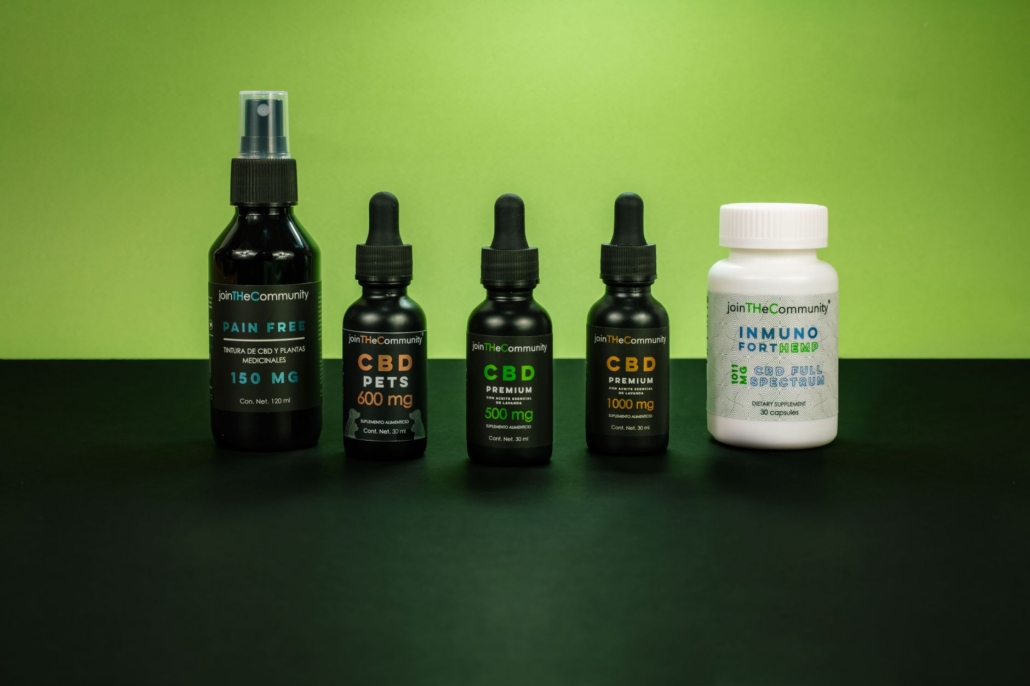
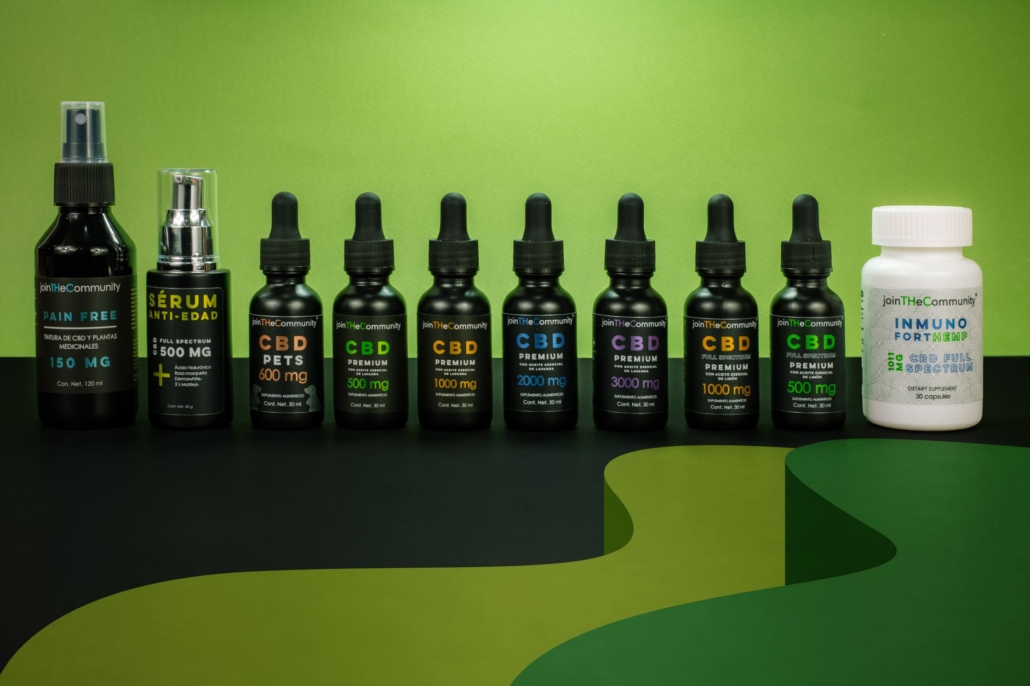
Array of CBD products including oils and serums displayed on a green backdrop.

CBD for Pain Relief in Greenville, Michigan

For residents of Greenville, Michigan, exploring options for managing discomfort and enhancing well-being often leads to investigating natural alternatives like cannabidiol (CBD). This guide provides a comprehensive look at how CBD for pain Greenville Michigan residents can integrate into their wellness routines, covering its mechanisms, legality, product types, and where to find quality options locally and online.

Quick answer: CBD products, derived from the hemp plant and containing less than 0.3% THC, are legal and widely available in Greenville, Michigan, for pain relief. They interact with the body’s endocannabinoid system to potentially reduce inflammation and modulate pain signals, offering various forms like oils, gummies, and topicals to suit different needs.

Key Takeaways

  • Hemp-derived CBD products (under 0.3% THC) are legal for purchase and use by adults in Greenville, Michigan.
  • CBD interacts with the body’s endocannabinoid system, potentially influencing pain, inflammation, and mood.
  • Various forms of CBD, including oils, edibles, and topicals, offer different application methods and onset times for pain relief.
  • When choosing CBD, prioritize products with third-party lab testing for purity and accurate cannabinoid content.
  • Always consult a healthcare professional before starting CBD, especially if you are taking other medications or have underlying health conditions.

What Is CBD, and How Does It Interact with Your Body for Pain Relief?

A selection of CBD health products set against a vivid green backdrop representing natural wellness.
Photo by Saul Rivera on Pexels

CBD, or cannabidiol, is one of over a hundred compounds found in the cannabis plant, known as cannabinoids. Unlike tetrahydrocannabinol (THC), the primary psychoactive component of cannabis, CBD does not produce a “high.” Instead, its interaction with the body is focused on modulating various physiological processes without intoxicating effects.

The human body possesses an intricate regulatory system called the endocannabinoid system (ECS), which plays a crucial role in maintaining homeostasis. The ECS influences functions such as pain sensation, mood, sleep, appetite, and immune response. CBD interacts with receptors within this system, primarily CB1 and CB2, though not directly binding to them like THC. Instead, it is thought to influence the ECS indirectly, enhancing the body’s natural endocannabinoids and promoting balance, which may contribute to its potential pain-relieving effects by reducing inflammation and altering pain perception.

Is CBD Legal in Greenville, Michigan?

Yes, CBD is legal in Greenville, Michigan, provided it is derived from hemp and contains less than 0.3% delta-9 THC. The 2018 Farm Bill federally legalized hemp and its derivatives, including CBD, as long as they meet this THC threshold. This means that hemp-derived CBD products are widely available and can be purchased without a medical marijuana card.

For CBD products derived from marijuana plants, which typically contain higher levels of THC, purchase is restricted to licensed dispensaries and may require a medical marijuana card or be limited to recreational sales for adults 21 and over, as per Michigan’s adult-use cannabis laws. Residents seeking CBD for pain in Greenville, Michigan, will find a robust market for hemp-derived options.

What Types of Pain Can CBD Potentially Help With?

While research into CBD’s efficacy for various conditions is ongoing, preliminary studies and anecdotal evidence suggest it may offer relief for a range of pain types. CBD is often explored for its potential anti-inflammatory and analgesic properties, which could be beneficial for both acute and chronic discomfort.

Conditions that CBD may help with include chronic pain conditions like arthritis, where it might reduce joint inflammation and discomfort. It has also been considered for neuropathic pain, fibromyalgia, and multiple sclerosis, where it could help manage nerve pain and muscle spasms. Furthermore, by addressing related issues such as anxiety and sleep disturbances, CBD might indirectly alleviate pain, as these factors often exacerbate pain perception. It is important to note that the only FDA-approved CBD product is Epidiolex, a prescription for certain forms of epilepsy, not for general pain management.

Understanding Different Types of CBD Products for Pain

When selecting CBD for pain, understanding the different types of CBD extracts is crucial, as each offers a unique profile of compounds from the cannabis plant. These categories dictate the presence of other cannabinoids, terpenes, and flavonoids alongside CBD.

  • Full-Spectrum CBD: This type contains CBD along with all other naturally occurring compounds from the hemp plant, including trace amounts of THC (under 0.3%), other cannabinoids like CBG and CBN, terpenes, and flavonoids. The presence of these compounds is believed to create an “entourage effect,” where they work synergistically to enhance CBD’s therapeutic potential.
  • Broad-Spectrum CBD: Similar to full-spectrum, broad-spectrum CBD contains a range of cannabinoids, terpenes, and flavonoids, but with the THC completely removed. This option is ideal for individuals who want to experience the potential benefits of the entourage effect without any THC.
  • CBD Isolate: As the name suggests, CBD isolate is pure CBD, with all other plant compounds, including THC, removed. It typically comes as a white powder and is odorless and tasteless, making it a versatile option for those who prefer to avoid all other cannabis compounds.

Choosing between these types often comes down to personal preference, sensitivity to THC, and the specific pain management goals.

What Forms of CBD Are Available for Pain Management?

CBD products for pain come in a variety of forms, each offering different methods of administration, onset times, and durations of effect. The best choice depends on the type of pain, desired speed of relief, and personal convenience.

  • Oils and Tinctures: Often marketed as CBD oil Greenville Michigan where to buy, these liquid extracts are taken sublingually (under the tongue) using a dropper. This method allows for quick absorption into the bloodstream, typically within 15-45 minutes, making it suitable for systemic pain relief.
  • Capsules: CBD capsules offer a precise, pre-measured dose, making them convenient for consistent daily use. They are ingested orally and absorbed through the digestive system, leading to a slower onset (30-90 minutes) but a longer-lasting effect.
  • Edibles (e.g., Gummies): Products like the best CBD gummies Greenville MI provide a tasty and discreet way to consume CBD. Similar to capsules, edibles are processed through digestion, resulting in a delayed onset but prolonged effects, ideal for sustained pain management.
  • Topicals (Creams, Lotions, Salves): For localized pain, Greenville MI CBD topicals for sale are applied directly to the skin over affected areas such as joints or muscles. These products interact with cannabinoid receptors in the skin, offering targeted relief without entering the bloodstream. Onset is usually within 10-30 minutes.
  • Vapes: Inhaling CBD vapor offers the fastest onset of effects, typically within minutes, as CBD is absorbed directly into the bloodstream through the lungs. However, the effects are generally shorter-lived, and this method may not be suitable for everyone due to potential respiratory concerns.

Each form has its advantages, allowing individuals to choose the most effective and comfortable method for their specific pain relief needs.

Where Can I Buy CBD for Pain in Greenville, Michigan?

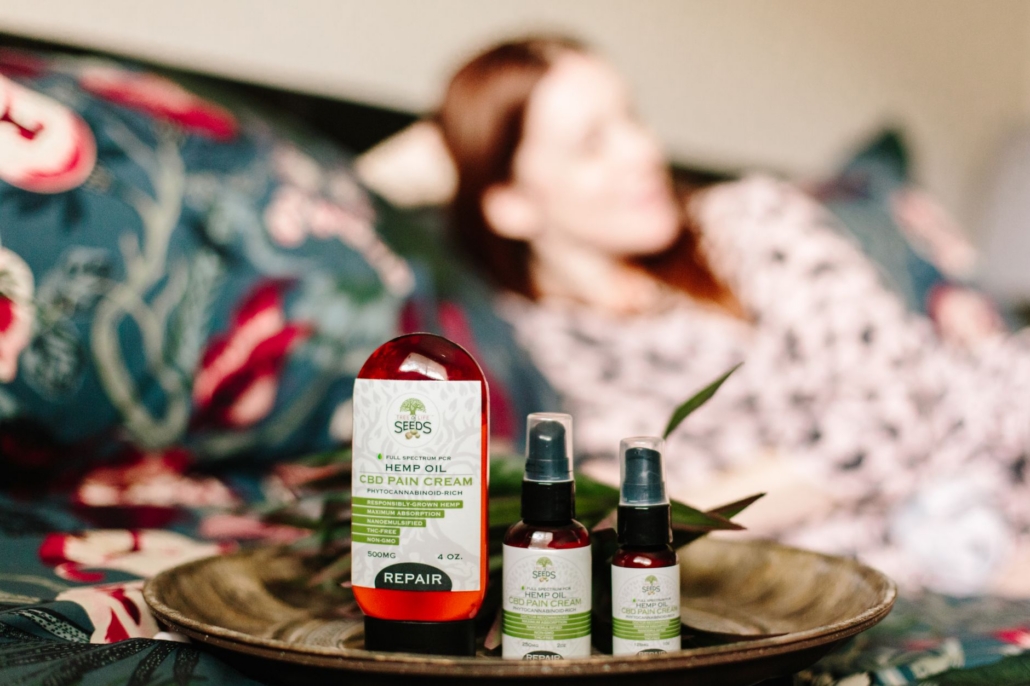
CBD hemp oil pain relief products displayed indoors with a relaxed person in the background.
Photo by Tree of Life Seeds on Pexels

Residents of Greenville, Michigan, have several reputable options for purchasing CBD for pain, ranging from local storefronts to convenient online dispensaries. The availability of both hemp CBD stores Greenville MI and online platforms ensures access to a wide variety of products.

Locally, you might find CBD products at specialty stores such as Simply CBD, CBD Farmacy, and PREMIUM ONLY CBD. These establishments often provide personalized guidance and allow you to inspect products in person. The Green Medicine Shop, an online cannabis dispensary primarily serving areas like Cedar Springs, also offers a wide selection of CBD products, including those that are pharmacist-selected, providing a trusted source for quality and education.

For those who prefer the convenience of online shopping, reputable platforms like Pure Craft and Natural Stress Solutions CBD also serve the Greenville area, offering direct-to-door delivery. When purchasing online or in person, always inquire about third-party lab testing to ensure product quality and purity, a critical step for anyone seeking full spectrum CBD Greenville MI or other CBD types.

How Do I Choose a Quality CBD Product for Pain?

Selecting a high-quality CBD product for pain is essential for safety and effectiveness. The market is diverse, and not all products are created equal. Focus on transparency and verifiable information when making your choice.

Firstly, always look for products that provide third-party lab testing results, often referred to as a Certificate of Analysis (COA). This document confirms the product’s cannabinoid content, verifying the amount of CBD and ensuring that THC levels are below the legal limit of 0.3%. It also screens for contaminants like pesticides, heavy metals, and mold, ensuring purity. According to Harvard Health Publishing, third-party testing is crucial because the FDA does not regulate most CBD products, leading to potential mislabeling.

Secondly, consider the source of the hemp. Reputable companies typically use organically grown hemp from the U.S., which adheres to strict agricultural standards. Finally, check the ingredients list for unnecessary additives, artificial flavors, or fillers. For those seeking full spectrum CBD Greenville MI, verify that the product indeed contains a range of cannabinoids and terpenes, as indicated by the COA.

Are There Any Side Effects or Drug Interactions with CBD?

While generally considered well-tolerated, CBD can have potential side effects and may interact with certain medications. It is crucial to be aware of these possibilities and consult a healthcare professional, especially if you have underlying health conditions or are taking other drugs.

Commonly reported side effects of CBD include dry mouth, diarrhea, reduced appetite, drowsiness, fatigue, and irritability. These effects are typically mild and often dosage-dependent. The most significant concern regarding CBD use is its potential for drug interactions. CBD can inhibit cytochrome P450 enzymes, which are responsible for metabolizing many prescription medications. This can lead to increased levels of certain drugs in the bloodstream, potentially causing adverse effects. Medications commonly affected include blood thinners (like warfarin), seizure medications, heart rhythm medications, and certain antidepressants. According to UCLA Health, it is imperative to discuss CBD use with your doctor to avoid potentially dangerous interactions.

How Do I Use CBD for Pain, and What About Dosage?

Using CBD for pain effectively involves understanding how to administer it and determining an appropriate dosage, which can vary significantly from person to person. There is no universally recommended dose, as factors like body weight, metabolism, the severity of pain, and individual sensitivity to CBD all play a role.

A common recommendation for starting CBD is to “start low and go slow.” Begin with a small dose, such as 5-10 milligrams once or twice daily, and gradually increase it over several days or weeks until you find the minimum effective dose that provides relief. It’s advisable to keep a journal to track your dosage, the form of CBD used, and the effects observed. Always follow the specific dosing instructions provided on the product label, as concentrations can vary between products. For topical products, apply a small amount to the affected area and assess its impact before using more broadly. Consulting with a doctor knowledgeable about cannabis can offer personalized guidance on dosage and application methods.

Should I Talk to My Doctor Before Using CBD for Pain?

Yes, it is highly recommended to talk to your doctor before incorporating CBD into your pain management regimen. This is particularly important if you have any pre-existing medical conditions, are taking prescription medications, or are pregnant or breastfeeding. Your doctor can provide personalized advice based on your health profile and help you understand potential risks or interactions.

Healthcare professionals can assess whether CBD is a suitable option for your specific type of pain and help you avoid adverse drug interactions, especially since CBD can affect how certain medications are metabolized by the body. While many people report positive experiences with CBD for pain, the FDA has not approved CBD for general pain management, emphasizing the need for medical guidance. Your doctor can also help monitor your response to CBD and adjust your treatment plan as needed, ensuring your safety and optimizing your pain relief strategy.

Frequently Asked Questions

Will CBD make me feel “high”?

No, CBD derived from hemp, containing less than 0.3% THC, will not make you feel “high.” THC is the psychoactive compound in cannabis responsible for intoxicating effects, and hemp-derived CBD products are specifically formulated to contain negligible amounts of it.

How long does CBD take to work for pain?

The onset of CBD’s effects for pain relief varies depending on the consumption method. Vaping CBD can provide relief within minutes, while tinctures taken sublingually may take 15-45 minutes. Edibles and capsules, which are processed through the digestive system, can take 30-90 minutes or longer, but their effects tend to last longer.

What’s the difference between CBD oil and hemp oil?

CBD oil is extracted from the flowers, leaves, and stalks of the hemp plant and contains cannabidiol (CBD). Hemp oil, or hemp seed oil, is typically extracted from the seeds of the hemp plant and contains negligible amounts of CBD. Hemp seed oil is primarily used for its nutritional value and healthy fats, while CBD oil is used for its potential therapeutic effects.

Can I use CBD with other pain medications?

It is crucial to consult your doctor before combining CBD with other pain medications. CBD can interact with various drugs by affecting liver enzymes responsible for drug metabolism, potentially altering the effectiveness or increasing the side effects of your existing medications. Your doctor can advise on safe usage.

Is CBD safe for long-term use?

Research on the long-term effects of CBD is still emerging. While many studies suggest CBD is generally well-tolerated, potential long-term side effects or interactions are not yet fully understood. Regular consultation with a healthcare professional is recommended for anyone considering long-term CBD use.

A vibrant array of CBD product boxes in various colors, photographed in Mexico City.

Hemp CBD Stores in Greenville, MI: Your Complete Guide

Navigating the world of hemp-derived CBD in Greenville, MI, involves understanding local availability and Michigan’s specific legal framework.

Quick answer: In Greenville, MI, hemp-derived CBD products containing less than 0.3% Delta-9 THC are legal and available from various local retailers and online dispensaries. Consumers aged 18 and older can typically purchase these products without a medical card, though age verification may apply depending on the retailer and product type.

Key Takeaways

  • Hemp-derived CBD with less than 0.3% Delta-9 THC is legal in Greenville, MI, and across the state, thanks to the 2018 Farm Bill and Michigan’s Hemp Research and Development Act.
  • Age restrictions for purchasing hemp-derived CBD are generally 18+, with some retailers setting a 21+ policy for certain products. A medical card is not required.
  • Consumers should prioritize products with third-party lab testing (Certificates of Analysis) to ensure quality, potency, and compliance.
  • Michigan distinguishes between hemp-derived CBD (regulated by MDARD) and marijuana-derived CBD (regulated by the CRA), with different THC limits and purchasing requirements.
  • While state law allows some CBD in food and beverages, federal FDA regulations currently prohibit CBD as a dietary supplement or food additive, creating a complex regulatory landscape.

Is CBD Legal in Greenville, MI?

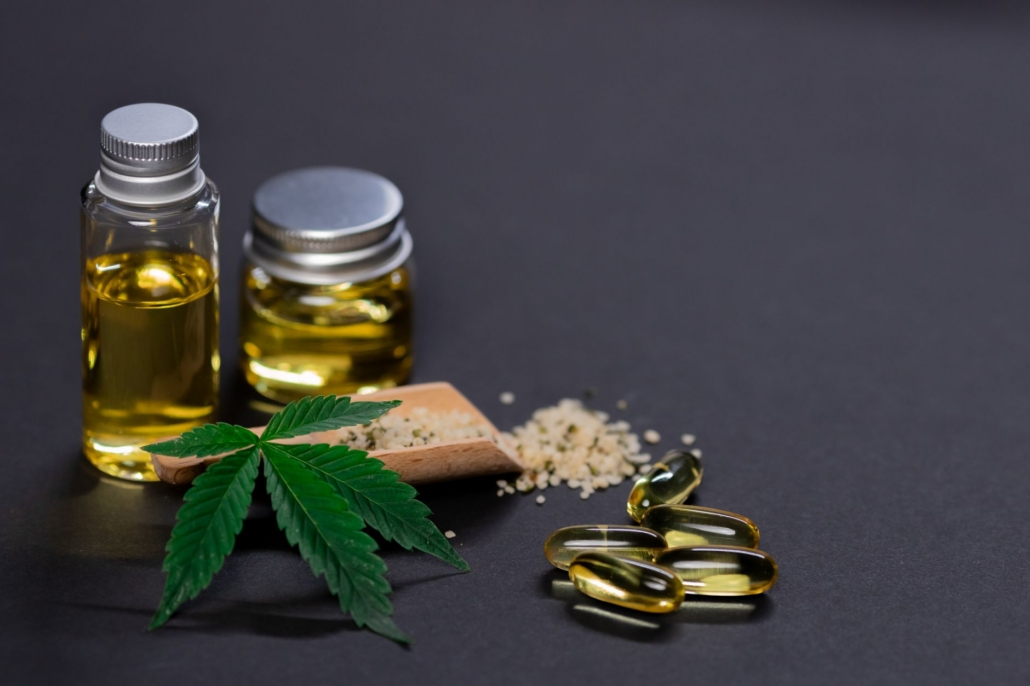
Assorted cannabis products including hemp seeds, oil, and capsules on dark background.
Photo by Kindel Media on Pexels
Yes, CBD is legal in Greenville, MI, provided it is derived from industrial hemp and contains no more than 0.3% Delta-9 THC on a dry weight basis. This legality stems from federal legislation, specifically the 2018 Farm Bill (Agricultural Act of 2018), which removed industrial hemp from the Controlled Substances Act. Michigan followed suit with its own legislation, the Michigan Hemp Research and Development Act of 2019, further solidifying the legal status of hemp and hemp-derived products, including CBD. The Michigan Department of Agriculture and Rural Development (MDARD) is the primary regulatory body overseeing hemp cultivation and processing in the state, ensuring that products meet the legal THC threshold. This legal framework means that residents and visitors can find a variety of CBD products for sale within Greenville and throughout Michigan.

What is the Difference Between Hemp-Derived CBD and Marijuana-Derived CBD in Michigan?

In Michigan, the distinction between hemp-derived CBD and marijuana-derived CBD is critical and primarily based on their Delta-9 THC content. CBD (Cannabidiol) is a non-intoxicating compound found in the cannabis plant. However, the plant source dictates its legal classification and regulatory pathway.

Hemp-derived CBD comes from Cannabis Sativa L. plants that contain 0.3% or less Delta-9 THC on a dry weight basis. These products are legal federally and in Michigan, regulated by MDARD, and can be purchased widely without a medical card or specific age restrictions beyond retailer policies, although 18+ is common. For example, you can find full spectrum CBD Greenville MI options that contain trace amounts of THC within this legal limit.

Marijuana-derived CBD originates from Cannabis plants with greater than 0.3% Delta-9 THC. In Michigan, these products are classified as adult-use (recreational) or medical cannabis. They are regulated by the Cannabis Regulatory Agency (CRA) and must be purchased from CRA-licensed dispensaries. Recreational purchases require consumers to be 21 years or older. For medical use, a patient must possess a valid medical marijuana card, which allows for purchase by individuals under 21 with a confirmed qualifying condition.

What Are the THC Limits for Legal CBD Products in Michigan?

The current legal threshold for hemp-derived CBD products in Michigan is 0.3% Delta-9 THC on a dry weight basis. This limit is consistent with federal law established by the 2018 Farm Bill. Products exceeding this 0.3% Delta-9 THC limit are classified as marijuana and fall under the stricter regulations of the Michigan Cannabis Regulatory Agency. It is important for consumers of CBD oil Greenville Michigan where to buy to be aware that the regulatory landscape is evolving. Federally, there is a future shift planned for November 12, 2026, to a “total THC” standard for hemp, which will encompass not just Delta-9 THC but also other forms like THCa. While this change is still in the future, it signifies a potential tightening of regulations that could impact the availability and formulation of hemp-derived products. Always check product labels and Certificates of Analysis (COAs) to confirm THC levels.

Where Can I Buy Hemp CBD Products in Greenville, MI?

Greenville, MI, offers several avenues for purchasing hemp-derived CBD products. Consumers can find CBD oil Greenville Michigan where to buy at various local retail establishments, including health food stores, specialty CBD shops, pharmacies, and even some convenience stores. These local options provide the benefit of in-person consultation and immediate product access. Additionally, online dispensaries and retailers, such as The Green Medicine Shop, serve the Greenville area, offering a broader selection of products and often competitive pricing. Online shopping provides convenience, discreet delivery, and typically more comprehensive product information, including detailed lab reports. When considering where to buy CBD for pain Greenville Michigan or other needs, evaluate both local and online vendors based on product quality, transparency, and customer service.

Are There Age Restrictions for Purchasing CBD in Michigan?

For hemp-derived CBD products (those with less than 0.3% Delta-9 THC), Michigan law does not explicitly set a statewide minimum age for purchase or possession. However, most reputable retailers, both brick-and-mortar and online, typically implement an age restriction of 18 or 21 years old to align with responsible sales practices and varying local ordinances. This means that if you’re looking for best CBD gummies Greenville MI, you should expect to show identification. For marijuana-derived CBD products (those with over 0.3% Delta-9 THC), strict age restrictions apply:
  • Recreational Use: Consumers must be 21 years or older.
  • Medical Use: Patients must possess a valid Michigan medical marijuana card. Minors with a qualifying condition can obtain a medical card with parental consent.
No medical card is required to purchase hemp-derived CBD products in Greenville, MI.

What Types of CBD Products Are Available in Greenville, MI?

Close-up of CBD oil bottles with hemp leaves, capturing the natural essence of herbal medicine.
Photo by Alfredo Rodriguez on Pexels
The market for CBD products in Greenville, MI, is diverse, catering to various preferences and needs. Consumers can find a wide array of product forms, including:
  • Oils and Tinctures: These are typically taken sublingually (under the tongue) for fast absorption. They often come in various strengths and flavors, making them a popular choice for those seeking full spectrum CBD Greenville MI.
  • Edibles: Best CBD gummies Greenville MI are a popular category, offering a discreet and convenient way to consume CBD. Other edibles include chocolates, candies, and baked goods.
  • Topicals: For targeted relief, Greenville MI CBD topicals for sale include creams, balms, lotions, and salves applied directly to the skin. These are often sought after for localized discomfort.
  • Capsules and Softgels: These provide a precise, pre-measured dose of CBD, making them easy to incorporate into a daily wellness routine.
  • Vape Products: CBD vape oils and cartridges offer rapid onset of effects, though it’s important to choose products specifically designed for vaping to ensure safety.
  • Flower and Pre-rolls: Some retailers offer smokable hemp flower, which provides the full spectrum of cannabinoids and terpenes without the intoxicating effects of marijuana.
  • Pet Products: CBD-infused treats and tinctures are also available for animal companions, formulated specifically for pets.
These products are often available in different CBD types: Full Spectrum (contains all cannabinoids, including legal trace THC), Broad Spectrum (contains multiple cannabinoids but no THC), and CBD Isolate (pure CBD with no other cannabinoids).

How Do I Ensure I’m Buying High-Quality CBD Products?

Ensuring you’re purchasing high-quality CBD products in Greenville, MI, is paramount for safety and effectiveness. Here are key factors to consider:
  1. Third-Party Lab Testing (COA): Always look for a Certificate of Analysis (COA) from an independent, accredited third-party lab. This document verifies the product’s cannabinoid profile (including CBD and THC levels), and checks for contaminants such as heavy metals, pesticides, and mold. Reputable sellers will make COAs readily available, often via a QR code on the packaging or on their website.
  2. Hemp Source: Prioritize products made from U.S.-grown hemp, particularly from states with robust agricultural regulations like Michigan. This often indicates adherence to higher quality standards.
  3. Extraction Method: CO2 extraction is generally considered the cleanest and safest method, as it avoids harsh chemical solvents.
  4. Ingredient List: Opt for products with simple, natural ingredient lists. Be wary of artificial additives, flavors, or unnecessary fillers.
  5. Transparency: A trustworthy brand will be transparent about its sourcing, manufacturing processes, and lab testing. They should also have accessible customer service to answer questions.
  6. Type of CBD: Understand the differences between Full Spectrum, Broad Spectrum, and CBD Isolate to choose the product that best suits your needs, especially if you are concerned about trace THC.

What Are the Benefits of Using CBD?

CBD is recognized for its potential therapeutic benefits, though it’s important to note that research is ongoing, and the FDA has not approved CBD for treating most conditions. Many users report incorporating CBD into their wellness routines for various reasons. Qualitatively, users often seek CBD for pain Greenville Michigan, citing its potential to interact with the body’s endocannabinoid system to help manage discomfort. Others use it for its purported calming effects, to support relaxation, or to improve sleep quality. Some find that it aids in managing everyday stress. The anti-inflammatory properties of cannabinoids are also a subject of ongoing study and interest among consumers. It’s crucial to consult with a healthcare professional before starting any new supplement regimen, especially if you are taking other medications, to discuss potential interactions and ensure it’s appropriate for your individual health needs.

Do I Need a Medical Card to Buy CBD in Greenville, MI?

No, you do not need a medical card to buy hemp-derived CBD products in Greenville, MI, or anywhere else in Michigan. As established by state and federal law, hemp-derived CBD (containing less than 0.3% Delta-9 THC) is legal for general purchase. This means you can find CBD oil, gummies, and topicals at various retail locations and online without a prescription or medical recommendation. A medical marijuana card is only necessary for purchasing marijuana-derived CBD products, which contain higher levels of THC and are regulated under Michigan’s medical and recreational cannabis laws. For these products, individuals must be registered medical marijuana patients or 21 years or older for recreational purchases.

What Are the Michigan Laws Regarding CBD in Food and Beverages?

The legal landscape surrounding CBD in food and beverages in Michigan is complex due to conflicting state and federal regulations. While the Michigan Department of Agriculture and Rural Development (MDARD) has, at times, provided guidance allowing for the inclusion of hemp-derived CBD in certain food and beverage products under specific conditions, the federal stance from the Food and Drug Administration (FDA) remains restrictive. The FDA currently maintains that CBD cannot legally be added to food and beverages as a dietary supplement or food additive. This is because CBD is an active ingredient in an FDA-approved drug (Epidiolex). The FDA generally prohibits ingredients from being marketed as dietary supplements or food additives if they have been previously approved as a drug. This federal position creates a challenge for state-level regulations and businesses operating in this space. Consumers should be aware of this ongoing regulatory tension when encountering CBD-infused food and beverages.

Frequently Asked Questions

What is full spectrum CBD?

Full spectrum CBD products contain all the naturally occurring compounds found in the hemp plant, including other cannabinoids like CBG and CBN, terpenes, and a trace amount of Delta-9 THC (up to the legal limit of 0.3%). This combination is believed to produce an “entourage effect,” where the compounds work synergistically.

Are there any side effects of CBD?

While generally well-tolerated, some individuals may experience side effects such as fatigue, diarrhea, changes in appetite, or dry mouth. CBD can also interact with certain medications, so consulting a healthcare professional is advised before use.

Can CBD make you high?

Hemp-derived CBD products containing less than 0.3% Delta-9 THC are non-intoxicating and will not produce the “high” associated with marijuana. The trace amount of THC is insufficient to cause psychoactive effects.

How should I store my CBD products?

To maintain potency and freshness, CBD products should be stored in a cool, dark place away from direct sunlight and extreme temperatures. Airtight containers are also recommended to prevent degradation.

Is CBD safe for pets?

Many pet owners use CBD products specifically formulated for animals. These products are typically dosed appropriately for pets and often come in flavors appealing to them. Always consult with a veterinarian before administering CBD to your pet.
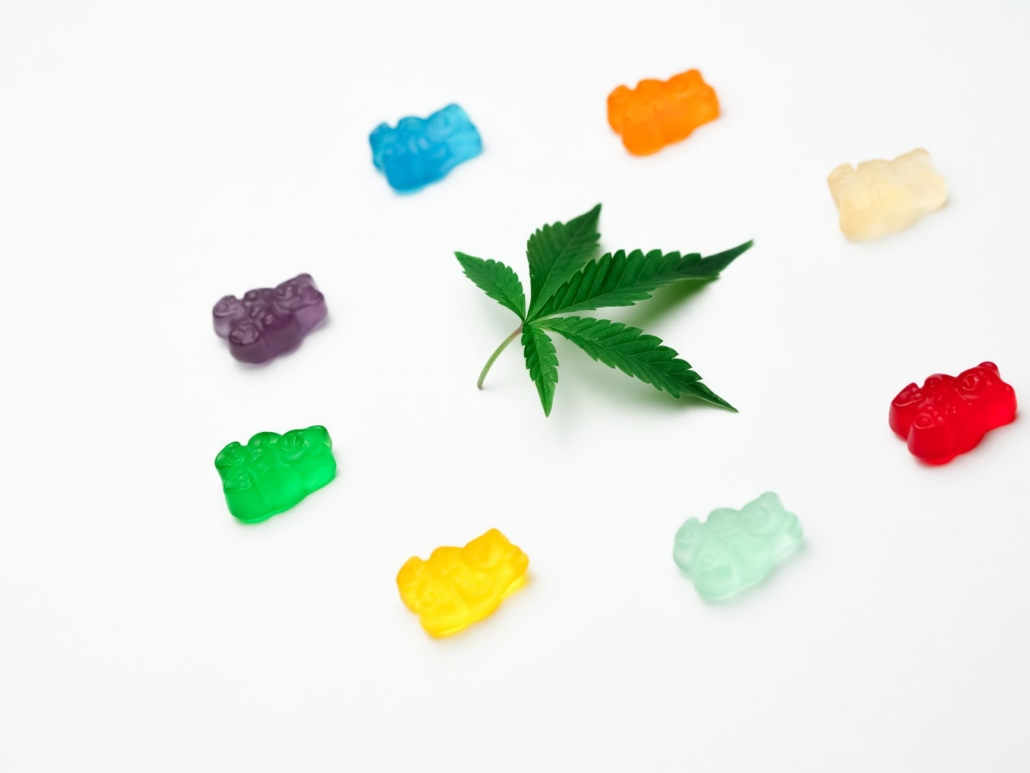
Vibrant gummy bears next to a cannabis leaf on a white background, symbolizing edible cannabis sweets.

Your Guide to CBD Gummies in Greenville, MI

For residents of Greenville, MI, seeking convenient and enjoyable ways to incorporate cannabidiol (CBD) into their wellness routines, CBD gummies offer a popular solution. These edibles provide a discreet and pre-dosed option for experiencing CBD’s potential benefits.

Quick answer: Finding the best CBD gummies in Greenville, MI, involves understanding product types, legality, and quality indicators. Hemp-derived CBD gummies (under 0.3% THC) are widely available without a medical card, while marijuana-derived options require a licensed dispensary. Prioritize third-party lab tested products for safety and potency.

Key Takeaways

  • CBD gummies are edible supplements containing cannabidiol, offering a pre-measured dose and discreet consumption.
  • Hemp-derived CBD gummies (containing less than 0.3% Delta-9 THC) are legal for adults 21+ in Michigan without a medical card.
  • Marijuana-derived CBD gummies, which may contain higher THC levels, are available through licensed recreational dispensaries in Michigan for adults 21+.
  • Beginners should start with a low dose, typically 5-10mg of CBD, and gradually increase as needed while monitoring effects.
  • Always look for CBD gummies that provide third-party lab testing results to verify potency and purity.

What are CBD Gummies and How Do They Work?

Vibrant assortment of gummy candies surrounding a cannabis leaf, creatively displayed against a white background.
Photo by Kindel Media on Pexels

CBD gummies are edible candies infused with cannabidiol (CBD), a non-intoxicating compound derived from the cannabis plant. They offer a simple and palatable method for consuming CBD, masking the natural taste of hemp extract. Once ingested, the CBD is absorbed through the digestive system and metabolized by the liver before entering the bloodstream, where it interacts with the body’s endocannabinoid system (ECS).

The ECS plays a crucial role in regulating various physiological processes, including mood, sleep, appetite, and pain sensation. CBD is believed to influence the ECS indirectly, helping to maintain balance within the body without producing the psychoactive “high” associated with tetrahydrocannabinol (THC). Because they must be digested, the effects of CBD gummies typically take longer to manifest—often 30 minutes to two hours—but can last for several hours once active.

Are CBD Gummies Legal in Greenville, Michigan?

Yes, CBD gummies are legal in Greenville, Michigan, subject to specific regulations regarding their source and THC content. The legality of CBD in Michigan largely aligns with federal law, specifically the 2018 Farm Bill. This federal legislation legalized hemp and hemp-derived products, including CBD, as long as they contain less than 0.3% Delta-9 tetrahydrocannabinol (THC) on a dry weight basis.

In Michigan, both hemp-derived CBD gummies and marijuana-derived CBD gummies are legal. Hemp-derived products are widely available at various retail locations, while marijuana-derived CBD products are sold exclusively through state-licensed recreational cannabis dispensaries, which are regulated by the Michigan Cannabis Regulatory Agency. This distinction is crucial for consumers in Greenville, MI, as it impacts where and how they can purchase their desired CBD products.

Do You Need a Medical Card to Buy CBD Gummies in Michigan?

Whether you need a medical card to buy CBD gummies in Michigan depends entirely on the source of the CBD and its THC content. For hemp-derived CBD gummies, which contain less than 0.3% Delta-9 THC, a medical marijuana card is not required. These products are considered legal industrial hemp products under both federal and Michigan state law, and adults aged 21 and over can purchase them freely from various retailers, including online stores like The Green Medicine Shop, health food stores, and some convenience stores.

Conversely, if you are seeking marijuana-derived CBD gummies—which may contain higher levels of THC (above 0.3%) or are sold within the regulated cannabis market—you do not necessarily need a medical card either, provided you are 21 years of age or older. Michigan legalized recreational cannabis for adults 21+ in 2018. Therefore, adults can purchase marijuana-derived CBD gummies from any licensed recreational cannabis dispensary without needing a medical marijuana card. Medical marijuana cardholders, however, may have access to a wider range of products, higher potency options, or specific tax benefits at medical provisioning centers.

What’s the Difference Between Hemp-Derived and Marijuana-Derived CBD Gummies in Michigan?

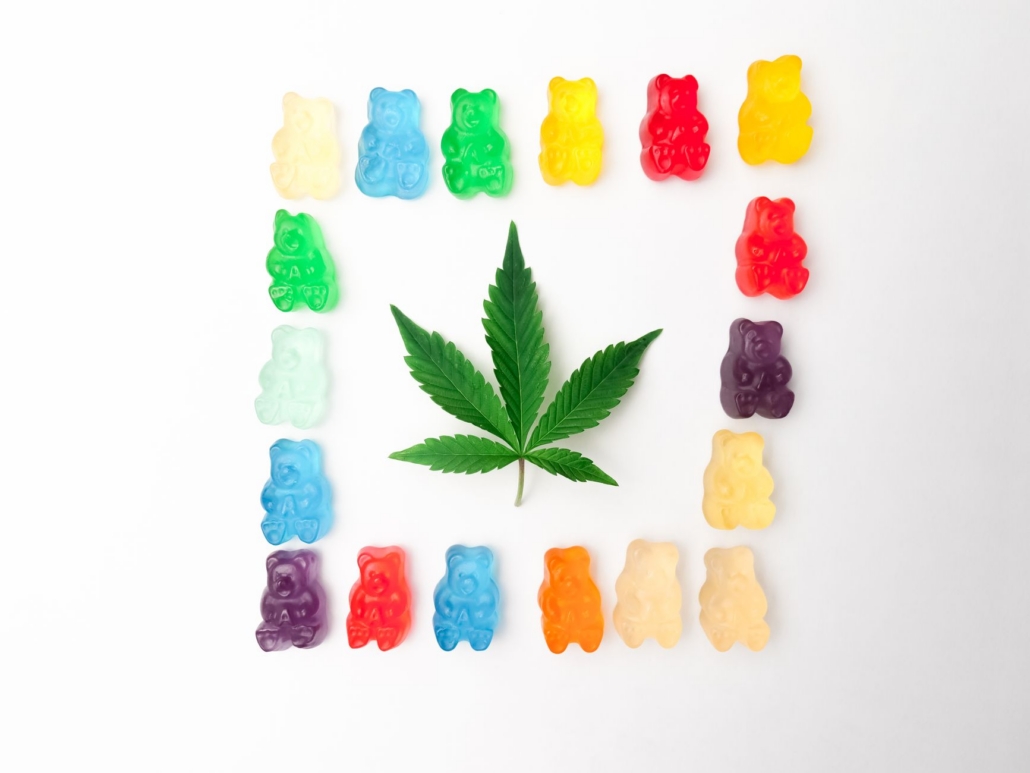
Vibrant gummy bears form a colorful border around a cannabis leaf on a white background, showcasing edible cannabis culture.
Photo by Kindel Media on Pexels

In Michigan, the primary distinction between hemp-derived and marijuana-derived CBD gummies lies in their source plant and, consequently, their tetrahydrocannabinol (THC) content and legal pathways for purchase. Both are forms of cannabis, but they are regulated differently due to their chemical composition.

Hemp and marijuana are both varieties of the Cannabis sativa plant. The key differentiator, as defined by federal law, is the concentration of Delta-9 THC. Hemp is cannabis with less than 0.3% Delta-9 THC, while marijuana contains more than 0.3% Delta-9 THC. This difference profoundly impacts the product’s psychoactive potential and its legal classification.

Feature Hemp-Derived CBD Gummies Marijuana-Derived CBD Gummies
Source Plant Industrial hemp (Cannabis sativa with <0.3% Delta-9 THC) Marijuana (Cannabis sativa with >0.3% Delta-9 THC)
Delta-9 THC Content Less than 0.3% Can range from trace amounts to significant levels (e.g., 5mg, 10mg, or more per gummy)
Psychoactive Effects Non-intoxicating; no “high” Potentially intoxicating if THC content is significant
Legality & Purchase Federally legal for adults 21+; no medical card needed. Sold in various retail settings, including online. Legal for adults 21+ in Michigan; no medical card needed for recreational purchase. Sold exclusively at state-licensed cannabis dispensaries.
Cannabinoid Profile Often full-spectrum CBD (includes trace THC, other cannabinoids, terpenes), broad-spectrum (THC removed), or CBD isolate (pure CBD). Can be full-spectrum (containing various cannabinoids including THC, CBD, and others) or formulated with specific CBD:THC ratios.

Many consumers in Greenville, MI, prefer full spectrum CBD gummies, regardless of source, because they believe in the “entourage effect.” This theory suggests that all cannabinoids, terpenes, and other compounds in the cannabis plant work synergistically to enhance each other’s effects, providing a more robust therapeutic experience than CBD isolate alone. However, individuals sensitive to THC or those who undergo drug testing often opt for broad-spectrum or CBD isolate products to avoid even trace amounts of THC.

How Many CBD Gummies Should a Beginner Take?

For beginners exploring CBD gummies in Greenville, MI, the general recommendation is to “start low and go slow.” This approach minimizes the risk of unwanted side effects and allows you to gauge your individual response to CBD. There is no universal standard dose for CBD, as its effects can vary widely based on individual factors such as body weight, metabolism, personal body chemistry, and the specific condition being addressed.

A common starting dose for beginners is often between 5 to 10 milligrams (mg) of CBD per serving. It is crucial to check the product label for the exact CBD content per gummy. For example, if a gummy contains 25mg of CBD, a beginner might consider starting with half a gummy. After taking an initial dose, wait at least one to two hours to assess the effects before considering an additional dose. If the desired effects are not achieved, you can gradually increase the dosage by 5mg increments over several days or weeks until you find what works best for you. Consulting with a healthcare professional is always advisable, especially if you are taking other medications or have underlying health conditions.

Finding the Best CBD Gummies in Greenville, MI

When searching for the best CBD gummies in Greenville, MI, several factors contribute to a product’s overall quality and effectiveness. Prioritizing these criteria will help ensure you select a safe, potent, and reliable product.

  • Third-Party Lab Testing: This is arguably the most critical factor. Reputable brands provide Certificates of Analysis (COAs) from independent third-party laboratories. These reports confirm the CBD and THC content, ensuring accuracy, and verify the absence of harmful contaminants like pesticides, heavy metals, and mold. Always look for easily accessible COAs, often found via a QR code on the packaging or on the brand’s website.
  • Ingredient Quality: Opt for gummies made with natural ingredients, organic hemp extract, and without artificial colors, flavors, or high-fructose corn syrup. High-quality ingredients contribute to a better overall product experience and minimize exposure to unnecessary additives.
  • CBD Spectrum Type: Consider whether you prefer full-spectrum, broad-spectrum, or CBD isolate. Full-spectrum CBD products contain all cannabinoids and terpenes found in the hemp plant, including trace amounts of THC (under 0.3%), potentially offering the “entourage effect.” Broad-spectrum products contain multiple cannabinoids and terpenes but have had all detectable THC removed. CBD isolate is pure CBD with no other cannabis compounds. Your choice depends on your personal preferences and whether you wish to avoid any THC. Many in Greenville seeking CBD for pain often explore full-spectrum options.
  • Potency: CBD gummies come in various strengths, typically ranging from 5mg to 50mg per gummy. Choose a potency that aligns with your dosage needs. Beginners should start with lower potency options.
  • Brand Reputation: Research brands that have a track record of transparency, positive customer reviews, and excellent customer service. Online dispensaries like The Green Medicine Shop often provide detailed product information and customer support.

For those wondering about “CBD oil Greenville Michigan where to buy” or “hemp CBD stores Greenville MI,” it’s worth noting that many retailers carrying CBD gummies will also offer CBD oils and tinctures. If you’re interested in “Greenville MI CBD topicals for sale,” these are also common alongside edible CBD products for targeted relief.

Frequently Asked Questions

Are CBD gummies safe to consume?

When sourced from reputable manufacturers that provide third-party lab testing, CBD gummies are generally considered safe for consumption. Minor side effects can include dry mouth, drowsiness, or changes in appetite. It is always recommended to consult a healthcare professional before starting any new supplement, especially if you are on other medications.
How long do CBD gummies take to work?

The effects of CBD gummies typically begin within 30 minutes to 2 hours after ingestion. This longer onset time, compared to sublingual oils, is due to the digestive process. Factors like metabolism, body weight, and whether the gummies are taken on an empty stomach can influence how quickly you feel the effects.

Can CBD gummies make you high?

Hemp-derived CBD gummies, by federal law and Michigan state law, contain less than 0.3% Delta-9 THC and are non-intoxicating. They will not produce a psychoactive “high.” Marijuana-derived CBD gummies, purchased from licensed dispensaries, may contain higher THC levels and could produce intoxicating effects depending on their specific formulation.

What’s the best time to take CBD gummies?

The best time to take CBD gummies depends on your desired effects. Many people take them in the evening to support relaxation and sleep, while others prefer them in the morning or throughout the day for general wellness or to manage discomfort. Experiment to find what works best for your individual routine and needs.

Can I travel with CBD gummies in Michigan?

Traveling with hemp-derived CBD gummies (under 0.3% THC) within Michigan is generally permissible. However, traveling across state lines with any CBD product can be complicated due to varying state laws. For marijuana-derived CBD gummies, interstate travel is illegal under federal law. When traveling, it’s always wise to keep products in their original packaging with accessible lab reports.

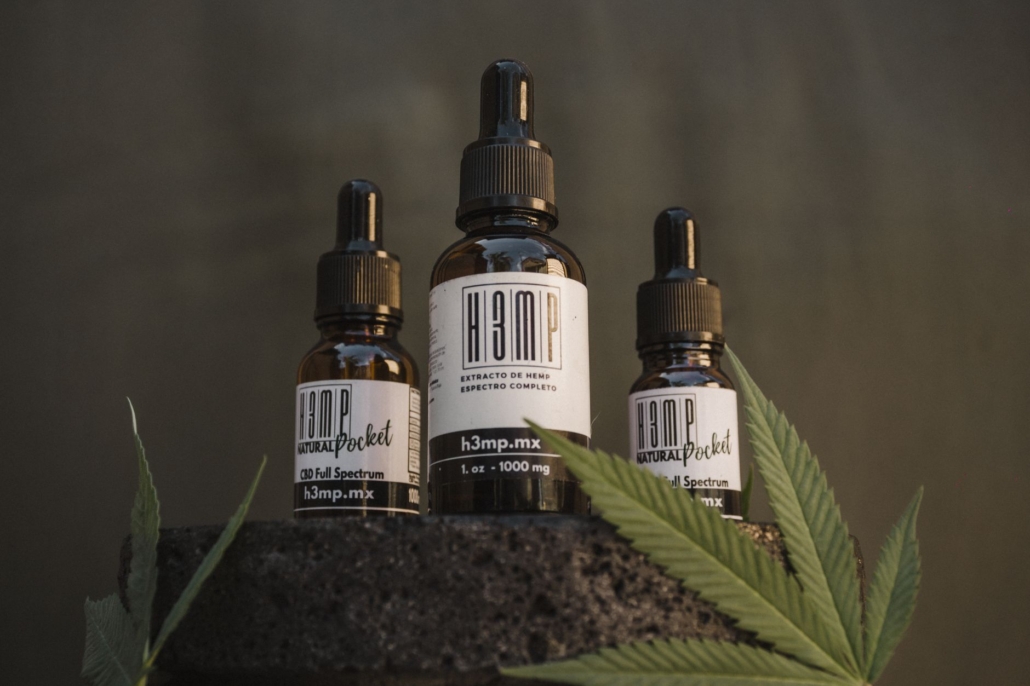
A CBD tincture bottle displayed on a textured dark stone background emphasizing natural wellness.

Where to Buy CBD Oil in Greenville, Michigan

For residents of Greenville, Michigan, understanding where to buy CBD oil can involve exploring both local retail options and the convenience of online shopping. Cannabidiol (CBD) products have become widely accessible, offering a range of choices for those seeking their potential wellness benefits.

Quick answer Residents seeking to buy CBD oil in Greenville, Michigan, can find products at local health stores, specialty CBD shops, and increasingly, through online dispensaries that offer convenient delivery. Online platforms often provide a broader selection, detailed product information, and third-party lab results for informed purchasing.

Key Takeaways

  • CBD oil derived from hemp is federally legal in the United States, including Michigan, following the 2018 Farm Bill.
  • You do not need a medical marijuana card to purchase hemp-derived CBD products in Greenville, MI.
  • Greenville residents can find CBD locally at various retail locations or access a wider selection and transparent information through online dispensaries.
  • High-quality CBD products are typically accompanied by third-party lab testing results (Certificates of Analysis, or COAs).
  • A variety of CBD products are available, including oils, gummies, topicals, and products for pets.

What is CBD Oil and How Does It Work?

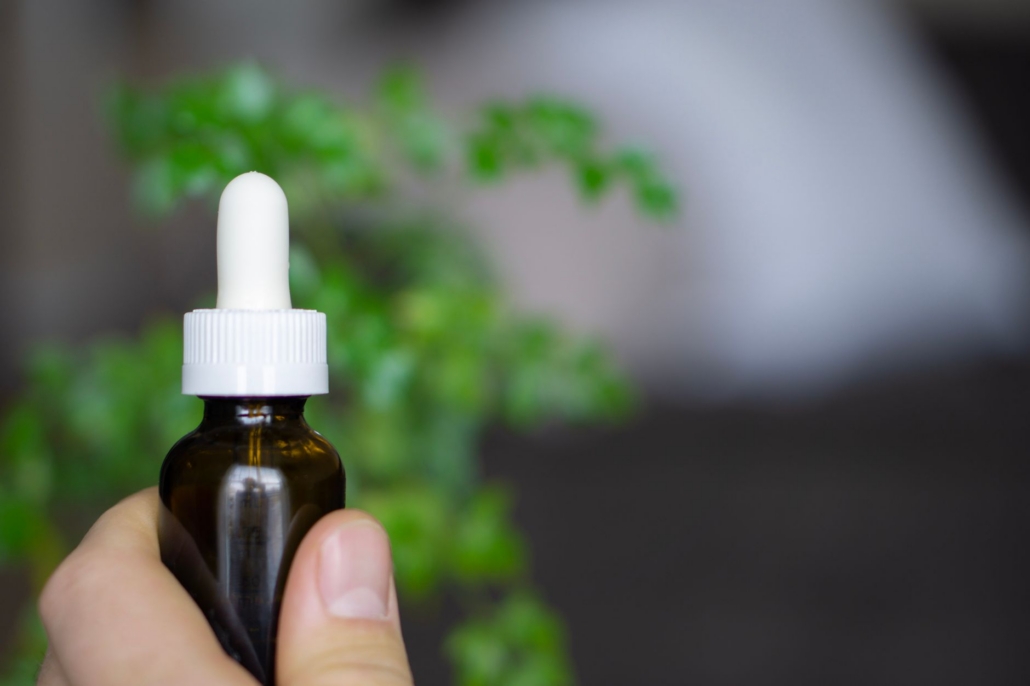
Hand holding a dropper bottle of CBD oil against a soft-focus botanical background.
Photo by Oliver King on Pexels

CBD, short for cannabidiol, is a naturally occurring compound found in the cannabis plant. Unlike its cannabinoid cousin THC (tetrahydrocannabinol), CBD is non-intoxicating, meaning it does not produce the “high” associated with marijuana. CBD oil is typically made by extracting CBD from the cannabis plant and then diluting it with a carrier oil like hemp seed oil or coconut oil.

The human body possesses an endocannabinoid system (ECS), a complex cell-signaling system that plays a role in regulating a wide range of functions and processes, including sleep, mood, appetite, memory, and reproduction. While research is ongoing, it is believed that CBD interacts with the ECS, influencing its receptors to help maintain balance within the body. This interaction is what underlies many of the potential wellness benefits attributed to CBD use.

Is CBD Legal in Michigan? Do I Need a Medical Card?

Yes, CBD is legal in Michigan, provided it is derived from hemp and contains less than 0.3% Delta-9 THC. This legal status stems from the 2018 Farm Bill, which federally legalized the cultivation and sale of hemp and hemp-derived products across the United States. Michigan state law aligns with this federal framework, establishing a regulatory system for hemp and CBD products.

You do not need a medical marijuana card to purchase hemp-derived CBD oil or other CBD products in Greenville, Michigan. Hemp-derived CBD is treated similarly to other consumer products, making it accessible to adults aged 21 and over. A medical card is only necessary for purchasing cannabis products with higher THC concentrations from licensed recreational or medical marijuana dispensaries.

Where Can I Buy CBD Oil in Greenville, Michigan?

Residents looking to buy CBD oil in Greenville, Michigan, have several avenues to explore. Local options often include health food stores, vitamin shops, and specialized hemp CBD stores Greenville MI, which may carry a selection of CBD products. These physical locations offer the benefit of in-person consultation and immediate purchase.

Alternatively, a growing number of consumers in Greenville are turning to online dispensaries, such as The Green Medicine Shop, for their CBD needs. Online platforms typically offer a significantly broader range of products, often at competitive prices, and provide the convenience of home delivery. This can be especially beneficial for those seeking specific formulations like full spectrum CBD Greenville MI or a diverse selection of best CBD gummies Greenville MI.

Are There Local CBD Stores in Greenville, MI?

While specific dedicated CBD-only storefronts might vary, Greenville, MI, does have various local retailers that stock CBD products. These can include natural health stores, vape shops, and some pharmacies. When shopping locally, it is advisable to inquire about product sourcing, third-party testing, and staff knowledge to ensure you are purchasing a high-quality product.

For those prioritizing a wide selection and detailed product transparency, online providers often present a more comprehensive option. Online stores frequently provide Certificates of Analysis (COAs) directly on their product pages, allowing consumers to verify cannabinoid content and purity before making a purchase.

What Types of CBD Products Are Available in Greenville, Michigan?

The market for CBD products in Greenville, Michigan, is diverse, offering a variety of formats to suit different preferences and needs. Beyond traditional CBD oil, consumers can find a range of products designed for various applications

  • CBD Tinctures and Oils These are typically taken sublingually (under the tongue) for fast absorption, or added to food and drinks.
  • CBD Edibles Including best CBD gummies Greenville MI, chocolates, and beverages, edibles offer a discreet and pre-dosed method of consumption.
  • CBD Topicals Products like CBD for pain Greenville Michigan, balms, lotions, and creams are applied directly to the skin for localized effects, popular for soothing muscles and joints. Many Greenville MI CBD topicals for sale can be found.
  • CBD Capsules A convenient and precise way to consume CBD, capsules provide a consistent dosage without any taste.
  • CBD Vapes Designed for rapid absorption, CBD vape products are inhaled directly into the lungs.
  • CBD Pet Products Formulated specifically for animals, these include CBD oils and treats for pets.

What Are the Potential Benefits of Using CBD Oil?

Consumers often turn to CBD oil for a range of potential wellness benefits, although individual results can vary. Research into CBD’s effects is ongoing, but many users report positive experiences. Some commonly cited reasons for using CBD include

  • Promoting a sense of calm and relaxation.
  • Supporting healthy sleep cycles.
  • Aiding in the management of everyday stress.
  • Helping to alleviate minor aches and discomfort, such as CBD for pain Greenville Michigan.
  • Supporting overall balance and well-being within the body’s systems.

It is important to consult with a healthcare professional before starting any new supplement regimen, especially if you are taking other medications or have underlying health conditions.

How Do I Choose High-Quality CBD Products?

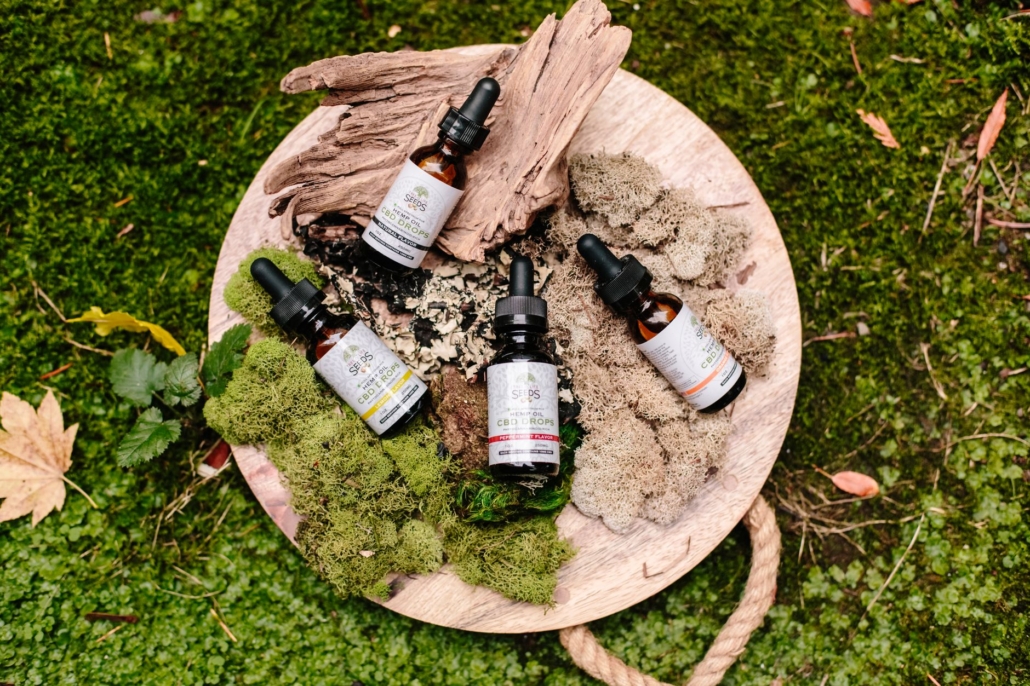
Natural CBD oil bottles with droppers on a wooden board surrounded by moss and leaves.
Photo by Tree of Life Seeds on Pexels

Selecting a high-quality CBD product requires attention to several key factors to ensure safety, efficacy, and value. With many options available, both locally and online, knowing what to look for is crucial

  • Third-Party Lab Testing Always look for products that come with a Certificate of Analysis (COA) from an independent third-party lab. This document verifies the cannabinoid content (including THC levels), and confirms the absence of harmful contaminants like pesticides, heavy metals, and solvents.
  • Hemp Source Reputable companies typically source their hemp from farms in the U.S. that adhere to strict agricultural guidelines.
  • Extraction Method CO2 extraction is widely considered the gold standard for producing clean, potent CBD extracts without harsh chemical residues.
  • Type of CBD Decide between Full Spectrum, Broad Spectrum, or CBD Isolate based on your preferences.
  • Ingredient List Opt for products with clear, simple ingredient lists, avoiding artificial additives or excessive fillers.
  • Company Reputation Choose brands known for transparency, positive customer reviews, and responsive customer service.

Can I Buy CBD Oil Online and Have It Shipped to Greenville?

Yes, you can legally buy CBD oil online and have it shipped directly to your address in Greenville, Michigan. Online dispensaries, like The Green Medicine Shop, offer a convenient and discreet way to purchase CBD products. This method provides access to a wider inventory than many local stores, including various strengths, formulations, and types of CBD.

When purchasing online, it is essential to ensure the retailer is reputable and transparent about their products, providing easy access to third-party lab results. Online stores often provide detailed product descriptions and customer reviews, helping consumers make informed decisions from the comfort of their homes.

What is the Difference Between Full Spectrum, Broad Spectrum, and CBD Isolate?

The terms Full Spectrum, Broad Spectrum, and CBD Isolate refer to the different compositions of cannabinoids and other plant compounds present in a CBD product. Understanding these differences can help you choose the right product for your needs.

Type of CBD Description Cannabinoids Present THC Content
Full Spectrum CBD Contains all the naturally occurring compounds of the hemp plant, including cannabinoids (CBD, CBN, CBG), terpenes, flavonoids, and a trace amount of THC. CBD, minor cannabinoids, terpenes, flavonoids Up to 0.3% Delta-9 THC (federally legal limit)
Broad Spectrum CBD Contains all the naturally occurring compounds of the hemp plant, similar to full spectrum, but with the THC completely removed. Non-detectable THC (0.0%)
CBD Isolate The purest form of CBD, isolated from all other cannabinoids, terpenes, and plant compounds. It is typically a white powder. Only CBD

Many users prefer full spectrum CBD Greenville MI due to the “entourage effect,” a theory suggesting that all cannabis compounds work together synergistically to enhance therapeutic benefits. Broad spectrum offers a similar benefit without any THC, while isolate is ideal for those who want to avoid THC entirely or have sensitivities to other cannabis compounds.

Can I Buy CBD Products for My Pets in Greenville?

Yes, CBD products specifically formulated for pets are available for purchase in Greenville, Michigan, both locally and online. These products are designed with animal safety and appropriate dosing in mind, often coming in forms like tinctures or treats that are easy to administer. They are typically made from hemp-derived CBD with non-detectable or very low THC levels.

Pet owners often use CBD to support their animals’ overall well-being, promote calm, or help with mobility issues. As with any supplement for pets, it is recommended to consult with a veterinarian before introducing CBD into your pet’s regimen.

Are Delta-8 or Other Hemp-Derived Products Available in Greenville, MI?

Yes, Delta-8 THC and other hemp-derived cannabinoid products are generally available in Greenville, MI, and across Michigan. Following the 2018 Farm Bill, which legalized hemp with less than 0.3% Delta-9 THC, many other cannabinoids found in hemp, such as Delta-8 THC, HHC, and THCa, have emerged on the market. Michigan state regulations largely align with federal law regarding hemp-derived cannabinoids, making these products accessible.

It is important for consumers to understand that while Delta-8 THC is derived from hemp, it can produce intoxicating effects similar to, but often milder than, Delta-9 THC. Always verify the legality and product quality through third-party lab testing when purchasing these types of products.

Frequently Asked Questions

What are the typical operating hours for CBD stores in Greenville, MI?

Operating hours for CBD stores and retailers in Greenville, MI, vary significantly by establishment. It is always best to check the specific store’s website or call ahead for their current hours of operation before planning a visit.

Is CBD addictive?

CBD is generally considered non-addictive and does not produce the compulsive drug-seeking behavior associated with addictive substances. The World Health Organization (WHO) reported in 2017 that “In humans, CBD exhibits no effects indicative of any abuse potential or dependence.”

Will CBD show up on a drug test?

While CBD itself is not typically screened for on standard drug tests, products containing even trace amounts of THC (especially full spectrum CBD) could potentially lead to a positive result. If you are subject to drug testing, it is advisable to choose CBD isolate or broad spectrum products with guaranteed non-detectable THC levels, and always verify with third-party lab reports.

How long does it take for CBD oil to work?

The onset time for CBD oil can vary based on the method of consumption, individual metabolism, and the specific product. Sublingual application (under the tongue) typically allows for effects to be felt within 15-45 minutes. Edibles may take 30 minutes to 2 hours, while topicals can take longer to show localized effects.

What is the recommended dosage for CBD oil?

There is no universal recommended dosage for CBD oil, as it depends on individual factors like body weight, metabolism, the concentration of CBD, and the desired effects. It is generally advised to “start low and go slow,” beginning with a small dose and gradually increasing it until the desired effects are achieved. Consulting with a healthcare professional can provide personalized guidance.

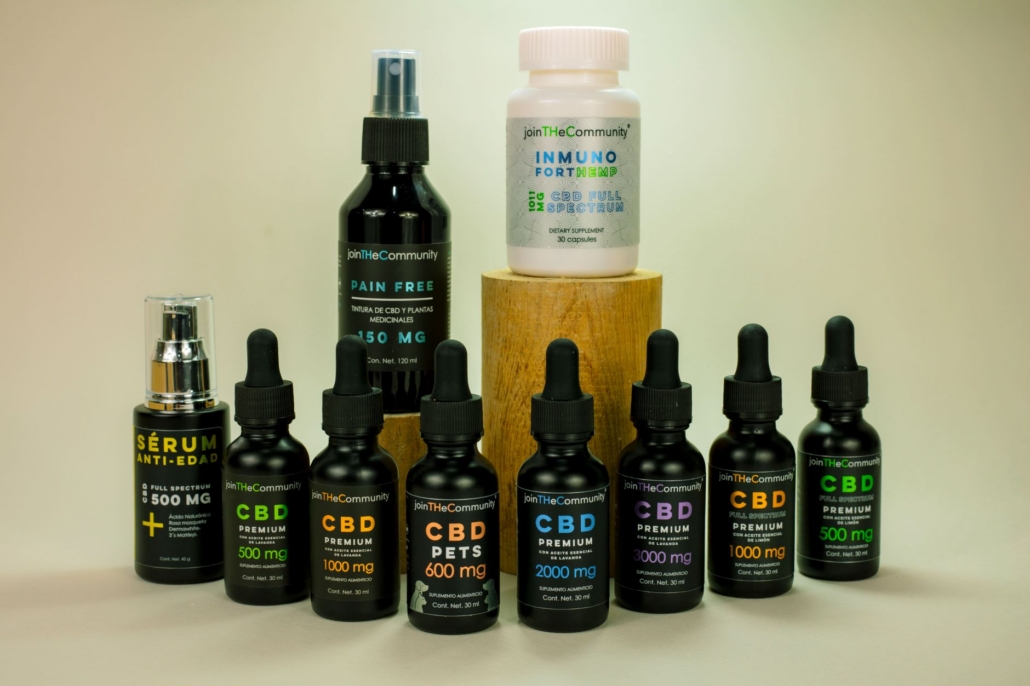
CBD healthcare and wellness products lineup featuring oils, serum, and supplements.

Shop CBD Products in Greenville Michigan

Navigating the world of CBD products in Greenville, Michigan, offers a range of options for residents seeking wellness solutions. Whether you’re new to cannabidiol or an experienced user, understanding local availability, legality, and product quality is essential for making informed choices.

Quick answer: CBD products are legal for adults in Greenville, Michigan, provided they are hemp-derived with less than 0.3% THC. You can find a wide range of products, including oils, gummies, and topicals, at local specialty stores and online retailers like The Green Medicine Shop, offering convenient access and diverse options tailored to various needs.

Key Takeaways

Various CBD products including serums and capsules on a white background, ideal for wellness and health.
Photo by Saul Rivera on Pexels
  • Hemp-derived CBD products containing less than 0.3% Delta-9 THC are legal for adults (21+) in Greenville, Michigan, without a medical card.
  • A diverse array of CBD products, such as tinctures, edibles, topicals, and pet-specific options, are readily available both locally and through online retailers.
  • Prioritizing third-party lab testing and Certificates of Analysis (COAs) is crucial for ensuring product quality, purity, and cannabinoid content.
  • Local businesses and online dispensaries, including those offering recreational cannabis Greenville MI,
    Array of CBD products including oils and supplements on a green background.
    Photo by Saul Rivera on Pexels
Glass jars filled with cannabis buds on a wooden shelf, emphasizing legal marijuana culture.

Medical vs. Recreational Cannabis: Michigan Differences

Navigating Michigan’s cannabis landscape requires understanding the distinct regulations governing medical and recreational use. For adults in Greenville, MI, knowing these differences is crucial for legal and informed purchases.

Quick answer: The fundamental difference between medical and recreational cannabis in Michigan lies in access requirements, age restrictions, and tax structures. Medical cannabis requires a state-issued patient card and allows purchases at age 18, while recreational cannabis is available to adults 21 and older without a card but is subject to higher taxes.

Key Takeaways

  • Medical cannabis requires a Michigan Medical Marihuana Program (MMMP) patient card, while recreational cannabis does not.
  • The minimum age for medical cannabis purchase and consumption is 18, compared to 21 for recreational cannabis.
  • Recreational cannabis purchases are subject to a 10% excise tax in addition to the 6% sales tax, whereas medical cannabis is only subject to the 6% sales tax.
  • Possession limits differ, with medical patients generally allowed to possess more.
  • Both types of cannabis are subject to strict public consumption laws across Michigan, including in Greenville, MI.

What is the Fundamental Difference Between Medical and Recreational Cannabis in Michigan?

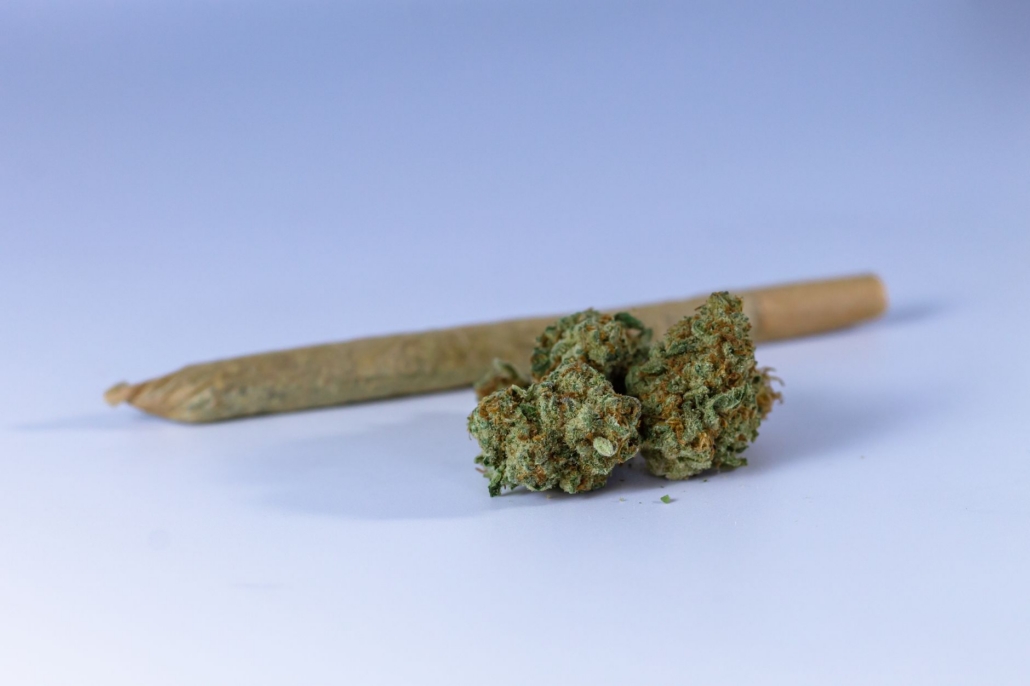
A close-up image of a cannabis joint and buds set against a neutral background, perfect for illustrating marijuana-related…
Photo by Terrance Barksdale on Pexels

The core distinction between medical and recreational cannabis in Michigan revolves around the legal framework for access, the qualifying conditions, and the intended use. Medical cannabis is part of the Michigan Medical Marihuana Program (MMMP), established to provide therapeutic relief for patients with specific debilitating medical conditions. This program requires patients to obtain a state-issued medical marihuana card.

In contrast, recreational cannabis, legalized under the Michigan Regulation and Taxation of Marihuana Act (MRTMA) in 2018, is available for purchase and use by any adult aged 21 or older for personal enjoyment, without the need for a medical card or qualifying condition. This distinction impacts everything from the purchasing process at a dispensary in Cedar Springs, Michigan, to the types of products available and the legal protections afforded to consumers.

What are the Age Requirements for Cannabis in Michigan?

Michigan law establishes clear age requirements that differentiate between medical and recreational cannabis access. These age limits apply uniformly across the state, including for residents of Greenville, MI.

  • Medical Cannabis: Individuals must be at least 18 years old to apply for a Michigan Medical Marihuana Program (MMMP) patient card. Minors under 18 can qualify with a designated caregiver who is 21 or older, and that caregiver must be their parent or legal guardian. The caregiver is then responsible for purchasing and administering the cannabis.
  • Recreational Cannabis: Adults must be 21 years old or older to legally purchase, possess, or consume recreational cannabis. This age limit is consistent with alcohol consumption laws and applies to all retail sales and personal use.

These age limits are strictly enforced by licensed dispensaries, ensuring compliance with state regulations whether you’re purchasing recreational cannabis or utilizing your medical card.

How Do Taxes Differ Between Medical and Recreational Cannabis Purchases in Michigan?

Taxation is a significant area of difference between medical and recreational cannabis in Michigan, directly impacting the final price consumers pay. Understanding these tax structures is important for budgeting cannabis purchases in Greenville, MI.

  • Recreational Cannabis Taxation: Purchases of recreational cannabis are subject to two main taxes. First, there is Michigan’s standard 6% sales tax. Second, a specific 10% excise tax is applied to all recreational cannabis sales. This 10% excise tax is allocated to various state and local funds, including municipalities that permit cannabis businesses, school aid, and road maintenance.
  • Medical Cannabis Taxation: Medical cannabis purchases are exempt from the 10% excise tax. Patients holding a valid MMMP card only pay the standard 6% Michigan sales tax on their purchases. This tax difference can result in substantial savings for medical patients, reflecting the state’s intent to make medical cannabis more accessible and affordable for those with qualifying conditions.

For example, a $100 recreational cannabis purchase would incur $6 in sales tax and $10 in excise tax, totaling $116. The same $100 medical cannabis purchase would only incur $6 in sales tax, totaling $106. This financial incentive often motivates eligible individuals to obtain a medical card.

What Are Michigan’s Cannabis Possession Limits for Recreational Users?

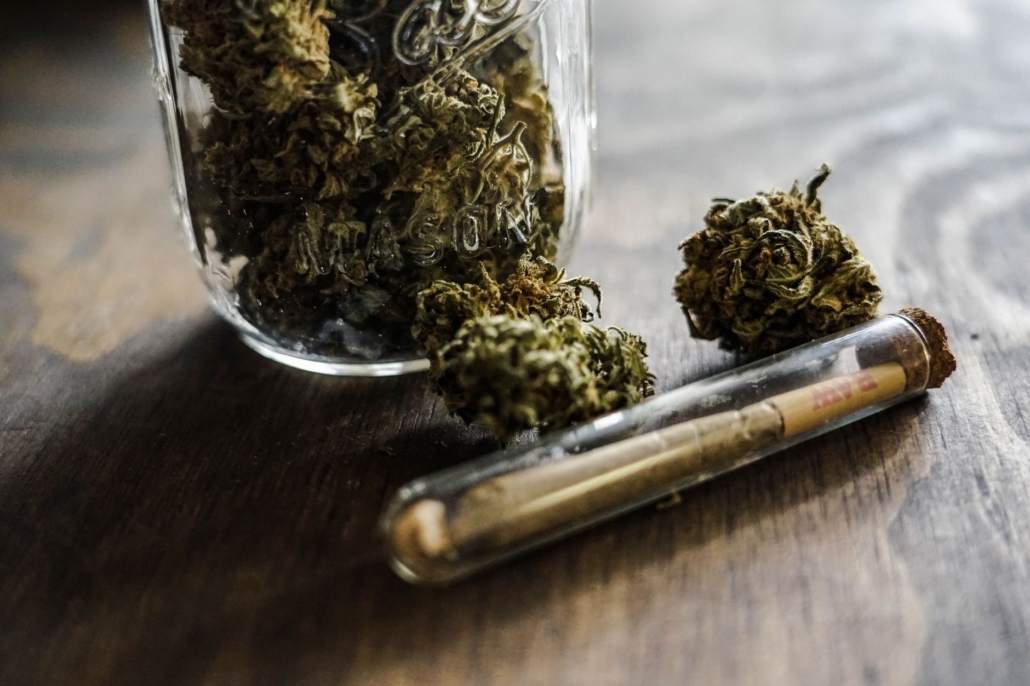
A detailed close-up of cannabis buds in a jar with a joint on a wooden surface.
Photo by Elsa Olofsson on Pexels

Michigan law sets specific limits on the amount of cannabis an individual can possess, with slight variations between medical patients and recreational users. These limits are statewide and apply to residents of Greenville, MI.

For recreational cannabis users aged 21 and over, the following possession limits apply:

  • On Your Person: Individuals may possess up to 2.5 ounces of cannabis flower or 15 grams of cannabis concentrate.
  • At Home: Adults may keep up to 10 ounces of cannabis flower in their residence. Any amount exceeding 2.5 ounces must be stored in a locked container and kept out of public view.
  • Cannabis Plants: Recreational users are permitted to cultivate up to 12 cannabis plants per household for personal use.

It’s important to note that these limits are for personal use and do not permit distribution or sale without a state license. Violating these possession limits can result in fines or other legal penalties.

Can You Grow Cannabis in Michigan?

Michigan law permits both medical patients and recreational adult users to cultivate cannabis plants for personal use, including in Greenville, Michigan. However, there are specific regulations that must be followed.

  • Recreational Home Grow: Adults 21 years or older may grow up to 12 cannabis plants per household for personal use. These plants must be grown in an enclosed, locked facility that is not accessible to the public. They must also not be visible from a public place.
  • Medical Home Grow: Registered medical cannabis patients (or their designated caregivers) are also permitted to cultivate up to 12 cannabis plants per patient. Similar to recreational home grow, these plants must be grown in an enclosed, locked facility and not be visible from public areas.

While home cultivation is allowed, selling cannabis from home-grown plants is illegal without a proper state license. The intent of the home grow provisions is solely for personal consumption by the cultivator or their registered patient.

What Should Tourists Know About Michigan Cannabis Laws?

Tourists visiting Michigan, including areas like Greenville, MI, are subject to the same cannabis laws as residents. Understanding these regulations is crucial to ensure a compliant and enjoyable visit.

  • Age Requirement: Tourists must be 21 years or older to purchase and consume recreational cannabis. A valid government-issued ID is required for purchases at licensed dispensaries.
  • Possession Limits: The same possession limits apply to tourists: up to 2.5 ounces of cannabis flower or 15 grams of concentrate on their person, and up to 10 ounces at a private residence (stored securely).
  • Public Consumption: Public consumption of cannabis is illegal. This includes smoking, vaping, or consuming edibles in parks, sidewalks, restaurants, and vehicles. While Michigan cannabis laws for tourists Greenville don’t differ from residents, awareness of this rule is paramount.
  • Transportation: Cannabis must be transported in a sealed, child-resistant container, out of reach of the driver, typically in the trunk. Driving under the influence of cannabis is strictly prohibited and carries severe penalties, similar to alcohol.
  • Interstate Travel: It remains illegal to transport cannabis across state lines, even if both states have legalized cannabis. This is due to federal law, which still classifies cannabis as an illegal substance.

Tourists should plan to consume cannabis responsibly and privately, respecting local ordinances and state laws to avoid legal issues.

Are There Public Consumption Rules for Cannabis in Michigan?

Michigan’s cannabis laws, including those applicable in Greenville, MI, strictly prohibit the public consumption of cannabis. This rule applies equally to both medical patients and recreational users.

Key aspects of Michigan’s public consumption laws include:

  • No Public Use: It is illegal to consume cannabis in any form (smoking, vaping, edibles) in public places. This includes streets, sidewalks, parks, beaches, restaurants, bars, and any other area accessible to the general public.
  • Private Property Use: Cannabis consumption is generally restricted to private property, with the permission of the property owner. If you are renting or staying in a hotel, it is essential to check their specific policies regarding cannabis use.
  • Vehicle Use: Consuming cannabis in a vehicle, whether it’s parked or in motion, is illegal. Cannabis must be transported in a sealed, child-resistant container in the trunk or other inaccessible area to the driver and passengers. Driving under the influence of cannabis is a criminal offense.
  • Federal Property: Even in Michigan, federal properties such as national parks, federal buildings, and airports are under federal jurisdiction, where cannabis remains illegal. Consumption or possession on federal land is strictly prohibited.

Violations of public consumption laws can result in fines and other legal consequences. Responsible consumption practices are encouraged to ensure compliance with state and local regulations.

Frequently Asked Questions

Can I use my out-of-state medical cannabis card in Michigan?

No, Michigan does not offer reciprocity for out-of-state medical cannabis cards. While some states allow visitors to use their medical cards, Michigan requires all medical cannabis patients to possess a valid Michigan Medical Marihuana Program (MMMP) card to purchase medical cannabis from licensed dispensaries.

Is it legal to smoke cannabis in a Michigan hotel room?

Whether it is legal to smoke cannabis in a Michigan hotel room depends entirely on the hotel’s individual policy. Most hotels prohibit smoking of any kind (tobacco or cannabis) in their rooms. Always check with the hotel management or review their policies before consuming cannabis on their property.

What is the penalty for underage cannabis possession in Michigan?

For individuals under 21, possession of cannabis can result in civil infractions. Penalties may include fines, substance abuse education, and community service. The specific consequences can vary based on the amount of cannabis and prior offenses.

Can I buy both medical and recreational cannabis if I have a medical card?

Yes, if you possess a valid Michigan Medical Marihuana Program (MMMP) card and are 21 years or older, you can legally purchase both medical and recreational cannabis. You can choose to purchase medical cannabis to benefit from the tax exemption, or recreational cannabis for variety, as long as you adhere to the respective possession limits for each.

Are there different types of dispensaries for medical vs. recreational cannabis in Michigan?

Michigan allows for both dedicated medical provisioning centers and adult-use (recreational) cannabis retail establishments. Many dispensaries, including those serving the Greenville, MI area, are licensed for “stacked” operations, meaning they can serve both medical patients and recreational customers from the same location, often with separate sales counters or queues.

Can I consume cannabis on a private porch or balcony in Michigan?

Consuming cannabis on a private porch or balcony in Michigan is generally permissible, provided it is truly private property and not visible or accessible to the public, and you have the property owner’s permission. However, local ordinances can vary, and it’s essential to ensure your consumption doesn’t create a public nuisance or violate any homeowner association rules or landlord agreements.

Cannabis buds scattered on a rustic wooden surface with an open jar.

Greenville MI Public Cannabis Consumption Laws

Understanding the regulations for cannabis consumption is essential for residents and visitors in Greenville, Michigan. While recreational cannabis is legal for adults 21 and over in Michigan, specific rules govern where it can be consumed, particularly in public spaces.

Quick answer: In Greenville, MI, it is generally illegal to consume cannabis in public places, aligning with the Michigan Regulation and Taxation of Marihuana Act (MRTMA). Consumption is primarily restricted to private property where the owner permits it, as Greenville has no specific local ordinances allowing public consumption or designated lounges.

Key Takeaways

  • Consuming cannabis in public places is illegal in Greenville, MI, under state law.
  • “Public place” includes streets, sidewalks, parks, and vehicles.
  • Legal consumption is restricted to private property with the owner’s permission.
  • Greenville, MI, does not have designated public consumption areas or lounges.
  • Penalties for public consumption typically involve civil infractions and fines up to $500.
  • Driving under the influence of cannabis is strictly prohibited and carries severe penalties.

Is it Legal to Consume Cannabis in Public in Greenville, MI?

Close-up of an adult's hand holding cannabis buds with a canister, showcasing herbal marijuana use.
Photo by Kampus Production on Pexels

Consuming cannabis in public in Greenville, MI, is illegal. This aligns with the Michigan Regulation and Taxation of Marihuana Act (MRTMA), which legalized recreational cannabis for adults 21 and older but explicitly prohibits its consumption in public places.

The state law takes precedence, and Greenville City Council ordinances primarily focus on regulating cannabis establishments, such as dispensaries and growers, rather than establishing specific rules for public consumption that would override state prohibitions. Therefore, individuals in Greenville must adhere to the statewide ban on public cannabis use.

What Defines a “Public Place” for Cannabis Consumption in Michigan?

In Michigan, a “public place” for cannabis consumption is broadly defined to include any area accessible to the general public. This definition helps clarify where cannabis use is prohibited under the MRTMA. Understanding this definition is crucial for avoiding violations.

Examples of areas considered public places where cannabis consumption is illegal include:

  • Streets, sidewalks, and public roads
  • Public parks, beaches, and recreational areas
  • Publicly owned land and buildings
  • Vehicles (whether operating or parked)
  • Business establishments, including bars, restaurants, and retail stores
  • Dispensary parking lots and common areas
  • Schools and correctional facilities
  • Any location where members of the public are generally invited or permitted to be present

Even if a location appears private, such as a hotel room, consumption may be prohibited unless explicitly allowed by the property owner. Consumption on federal property, such as national parks or post offices, is also strictly banned, as federal law supersedes state law regarding cannabis.

Where Can You Legally Consume Cannabis in Greenville, MI?

Legal cannabis consumption in Greenville, MI, is primarily restricted to private property. This means individuals aged 21 and older can legally consume cannabis in a private residence, provided they own the property or have explicit permission from the property owner.

This includes private homes, yards, or other non-public spaces where the property owner has granted consent. It is important to note that even on private property, cannabis consumption must not violate any terms of a rental agreement, homeowner association rules, or other private contracts. Currently, Greenville, MI, does not have any authorized designated public consumption areas or licensed cannabis lounges.

What Are the Penalties for Public Cannabis Consumption in Greenville, MI?

Violating Michigan’s public cannabis consumption laws in Greenville, MI, typically results in a civil infraction. The penalties are outlined in state law and are generally applied uniformly across Michigan municipalities that do not have specific overriding ordinances.

For a first offense of public consumption, individuals may face a civil infraction punishable by a fine, which can be up to $500 in some cases, or as low as $100 in others, depending on local court discretion and specific circumstances. Subsequent offenses may incur higher fines and potentially other legal consequences. It is advisable to consult local law enforcement or legal counsel for the most precise details on current penalties.

Can You Smoke or Vape Cannabis in Public in Greenville, MI?

No, you cannot smoke or vape cannabis in public in Greenville, MI. The prohibition against public cannabis consumption applies to all forms of consumption, including smoking, vaping, edibles, and tinctures. The Michigan Regulation and Taxation of Marihuana Act does not differentiate between methods of consumption when defining illegal public use.

Therefore, whether a person is smoking a cannabis flower, using a vape pen, or consuming an edible, doing so in any area defined as a “public place” in Greenville is against the law and subject to the same penalties as other forms of public consumption.

Are There Designated Cannabis Consumption Areas or Lounges in Greenville, MI?

Currently, there are no designated cannabis consumption areas or licensed cannabis lounges in Greenville, MI. While Michigan state law allows for the possibility of municipalities authorizing such establishments, Greenville has not taken steps to permit them.

The focus of Greenville City Council ordinances regarding cannabis has been on the regulation and zoning of commercial cannabis establishments, such as retailers, growers, and processors, within specific districts like the North Lafayette District and Industrial Zoning District. These ordinances do not extend to creating spaces for public consumption. Therefore, residents and visitors must continue to adhere to the statewide ban on public cannabis use.

How Do Greenville’s Local Ordinances Address Cannabis Consumption?

Adult holding a colorful pipe containing cannabis indoors with natural light.
Photo by Kampus Production on Pexels

Greenville’s local ordinances primarily address the establishment and operation of commercial marijuana businesses rather than public consumption. The Greenville City Council has adopted specific ordinances to regulate the licensing, zoning, and location of various types of marijuana establishments within the city limits.

For example, certain areas, such as the North Lafayette District and Industrial Zoning District, have been designated for cannabis businesses. These ordinances ensure that businesses like recreational cannabis dispensaries, cultivation facilities, and processing centers operate within defined parameters. However, these local rules do not create exceptions for public cannabis consumption; the city adheres to the state’s prohibition on public use.

What Are Michigan’s General State Laws Regarding Public Cannabis Consumption?

Michigan’s general state laws, primarily the Michigan Regulation and Taxation of Marihuana Act (MRTMA), strictly prohibit the consumption of cannabis in public places. The MRTMA established the legal framework for adult-use cannabis but included clear restrictions on where it can be used.

Key aspects of the state law include:

  • Legal Age: Individuals must be 21 years or older to possess or consume recreational cannabis.
  • Public Consumption: Prohibited in any location generally accessible to the public.
  • Private Property: Permitted on private property with the owner’s consent.
  • Possession Limits: Adults can possess up to 2.5 ounces of cannabis in public and up to 10 ounces at their residence (with amounts over 2.5 ounces securely stored).
  • Home Cultivation: Adults can cultivate up to 12 cannabis plants per residence, provided they are in an enclosed, locked area not visible from public spaces.

These statewide regulations form the baseline for cannabis laws in municipalities like Greenville, MI, unless specific local ordinances are enacted to further restrict or, in rare cases, allow certain forms of consumption.

Can You Consume Cannabis in a Vehicle in Greenville, MI?

No, consuming cannabis in a vehicle in Greenville, MI, is strictly illegal. Michigan law prohibits both the consumption of cannabis in a vehicle, whether it is operating or parked, and driving under the influence of cannabis. This aligns with “open container” laws for alcohol, extending the prohibition to cannabis.

Furthermore, Michigan enforces a zero-tolerance standard for drivers under the influence of cannabis, meaning any detectable amount of active THC in a driver’s system can lead to severe penalties, including fines, license suspension, and potential jail time. It is also illegal to have an open container of cannabis in the passenger compartment of a vehicle, similar to open alcohol containers.

What Are the Rules for Cannabis Consumption on Private Property in Greenville, MI?

The rules for cannabis consumption on private property in Greenville, MI, are straightforward: it is generally permitted for adults 21 and older, provided they are on their own private property or have explicit permission from the property owner. This includes private residences, rented homes, or other privately owned land.

However, even on private property, certain restrictions may apply. Landlords can prohibit cannabis use in rental agreements, and homeowner associations may have rules against it. Businesses, even if privately owned, typically prohibit cannabis consumption on their premises. It is always advisable to understand and respect property rules before consuming cannabis.

Understanding Cannabis Possession Limits and Home Cultivation in Michigan

For those in Greenville and across Michigan, understanding possession limits and home cultivation rules is important for legal cannabis use. The Michigan Regulation and Taxation of Marihuana Act sets clear guidelines for adults 21 and over.

  • Possession Limits: Adults can legally possess up to 2.5 ounces of cannabis flower or its equivalent in cannabis products (e.g., edibles, concentrates) when in public. At a private residence, individuals can possess up to 10 ounces of cannabis, with any amount exceeding 2.5 ounces requiring secure storage in an enclosed, locked area.
  • Home Cultivation: Michigan law permits adults to cultivate up to 12 cannabis plants per residence for personal use. These plants must be grown in an enclosed area, such as a private garden or dedicated grow space, and must not be visible from public places without the use of binoculars or other visual aids. Security devices must also be in place to prevent unauthorized access.

These limits are designed to balance personal freedom with public safety and control over cannabis distribution.

Cannabis Consumption on Federal Property in Michigan

It is critical to remember that cannabis use, possession, and cultivation are illegal on all federal property within Michigan, including in Greenville. Federal law continues to classify cannabis as a Schedule I controlled substance, regardless of state laws.

This means that areas such as national parks, federal buildings, post offices, military bases, and any other property owned or controlled by the U.S. federal government are off-limits for cannabis. Violations on federal property can lead to federal charges, which carry significantly harsher penalties than state-level infractions. Individuals should always be aware of their surroundings and avoid bringing cannabis onto federal land.

Frequently Asked Questions

Is recreational cannabis legal in Greenville, MI?

Yes, recreational cannabis is legal for adults aged 21 and over in Greenville, MI, in accordance with the Michigan Regulation and Taxation of Marihuana Act (MRTMA).

What is the legal age for cannabis in Greenville, MI?

The legal age for purchasing, possessing, and consuming recreational cannabis in Greenville, MI, is 21 years old, consistent with statewide Michigan law.

Can tourists consume cannabis in Greenville, MI?

Tourists aged 21 and over can legally purchase and consume cannabis in Greenville, MI, subject to the same state and local laws as residents, meaning consumption is restricted to private property with permission.

Where can I buy recreational cannabis near Greenville, MI?

Recreational cannabis dispensaries are licensed and regulated in Michigan. While Greenville regulates cannabis establishments, you can find licensed dispensaries in nearby communities, such as Cedar Springs, MI, which offer a range of recreational cannabis and CBD products for adults 21 and over.

What are the differences between medical and recreational cannabis laws in Michigan?

Medical cannabis laws in Michigan allow registered patients (18+ with a qualifying condition) to possess higher amounts of cannabis and cultivate more plants than recreational users. Recreational laws apply to adults 21 and over, with stricter limits on possession and cultivation, and without the requirement for a medical card.

Vibrant Chicago skyline overlooking Lake Michigan with people strolling by the promenade.

Michigan Cannabis Laws for Tourists in Greenville

Navigating cannabis laws as a tourist can be complex, but understanding Michigan’s regulations is crucial for visitors to Greenville. This guide details the essential rules for adult-use cannabis in the state.

Quick answer: Tourists aged 21 and older can legally purchase and possess recreational cannabis in Michigan with a valid government-issued ID. While purchases are permitted, consumption is restricted to private property with owner’s permission or licensed consumption lounges, and transporting cannabis across state lines is federally illegal.

Key Takeaways

  • Adults 21 and older can legally buy and possess recreational cannabis in Michigan.
  • A valid government-issued photo ID from any state or country is required for purchase.
  • Purchase limits are 2.5 ounces of flower and 15 grams of concentrate per transaction.
  • Cannabis consumption is generally restricted to private property with permission; public consumption is illegal.
  • Transporting cannabis across state lines or on airplanes is prohibited under federal law.

Can Tourists Buy Weed in Michigan?

Huron lightship docked on a serene waterfront with trees and historic buildings in the background.
Photo by Matthew Goeckner on Pexels

Yes, tourists aged 21 and older can legally purchase recreational cannabis in Michigan. The state’s adult-use cannabis market, established under the Michigan Regulation and Taxation of Marihuana Act (MRTMA) passed in 2018, permits sales to any adult meeting the age requirement, regardless of their state or country of residence.

When purchasing, visitors will need to present a valid form of identification to verify their age. This ensures compliance with state regulations designed to prevent underage access to cannabis products.

What is the Legal Age to Buy and Consume Cannabis in Michigan?

The legal age to buy and consume cannabis in Michigan is 21 years old. This age limit applies to both Michigan residents and tourists alike for recreational cannabis purchases and consumption. Dispensaries strictly enforce this rule, requiring age verification for all transactions.

What Kind of ID Do I Need to Buy Cannabis in Michigan as a Tourist?

To purchase cannabis in Michigan, tourists must present a valid government-issued photo ID. Acceptable forms of identification include a driver’s license, state ID card, passport, or military ID. This ID can be from any U.S. state or any foreign country, as long as it is current and verifiable. Dispensary staff are required by the Michigan Cannabis Regulatory Agency (CRA) to verify the age and identity of all customers.

How Much Cannabis Can a Tourist Legally Buy in Michigan?

Michigan law sets specific purchase limits for recreational cannabis per transaction. As a tourist, you can legally buy:

  • Up to 2.5 ounces (approximately 70 grams) of cannabis flower.
  • No more than 15 grams of cannabis concentrate.
  • 16 ounces of cannabinoid product in solid form (e.g., edibles).
  • 36 ounces of cannabinoid product in liquid form.

It’s important to note that edibles are counted based on their total THC content and fall within these overall limits. These limits apply per transaction, meaning you cannot exceed these amounts in a single visit to a dispensary.

How Much Cannabis Can a Tourist Legally Possess in Michigan?

The Michigan Regulation and Taxation of Marihuana Act (MRTMA) also outlines possession limits for recreational cannabis. As a tourist, you can legally possess:

  • Up to 2.5 ounces of cannabis in public.
  • Up to 10 ounces of cannabis in a private residence. If you possess more than 2.5 ounces in a private residence, the excess amount must be stored in a locked container or area.

These limits are for personal use and apply uniformly to both residents and visitors aged 21 and older. Exceeding these possession limits can lead to penalties under Michigan law.

Where Can Tourists Legally Consume Cannabis in Michigan?

Cannabis consumption for tourists in Michigan is generally restricted to private property with the owner’s explicit permission. This means you can consume cannabis in a private residence if the owner allows it. Additionally, consumption may be permitted in specifically licensed consumption lounges or at temporary cannabis events, though these are not widely available in all areas.

Can Tourists Consume Cannabis in Public Places, Hotels, or Vehicles?

No, tourists cannot legally consume cannabis in most public places, vehicles, or typically in hotels. Michigan law strictly prohibits public consumption in areas like streets, sidewalks, parks, beaches, restaurant patios, and parking lots. Driving under the influence of cannabis is also illegal, with Michigan enforcing a zero-tolerance standard for impaired driving.

Regarding accommodations, most hotel rooms do not permit cannabis consumption. It is always best to check with your hotel directly about their specific policies before consuming any cannabis products on their property. Federal land and buildings, including national parks and universities, also prohibit cannabis use due to federal law.

Can I Take Cannabis Purchased in Michigan Across State Lines or on an Airplane?

No, it is federally illegal to transport cannabis across state lines or international borders, including to Canada. Despite Michigan’s state-level legality, cannabis remains a Schedule I controlled substance under federal law. This means that taking cannabis on an airplane is also prohibited, as the Transportation Security Administration (TSA) operates under federal jurisdiction.

Attempting to transport cannabis across state lines or on an aircraft can result in significant legal penalties, including federal charges. It is essential to consume all purchased cannabis within Michigan’s borders.

What Are the Penalties for Violating Michigan Cannabis Laws?

A view of Navy Pier in Chicago with its distinctive towers and waterfront setting.
Photo by Qiang Lai on Pexels

Violating Michigan’s cannabis laws, such as consuming in public, driving while impaired, or exceeding possession limits, can lead to various penalties. These can range from civil infractions and fines for minor offenses to misdemeanor or felony charges for more serious violations, such as illegal sales or cultivation. Penalties can include substantial fines, imprisonment, and a criminal record, depending on the severity and nature of the offense.

Are There Specific Cannabis Laws for Greenville, Michigan?

While Michigan has statewide cannabis laws, local municipalities, including Greenville, can establish certain regulations regarding cannabis businesses, such as opting in or out of allowing dispensaries. However, for individual consumption and possession, Greenville generally adheres to the Michigan Regulation and Taxation of Marihuana Act (MRTMA). Tourists should always be aware of state laws, as these are the primary regulations governing cannabis use in the area.

Can Out-of-State Medical Marijuana Cards Be Used in Michigan?

Michigan does not have reciprocity for out-of-state medical marijuana cards. This means that a medical marijuana card issued in another state generally cannot be used to purchase medical cannabis in Michigan. Tourists seeking cannabis must adhere to the adult-use recreational cannabis laws, which require them to be 21 years old and purchase from licensed recreational dispensaries.

What Taxes Apply to Cannabis Purchases in Michigan?

When purchasing recreational cannabis in Michigan, including in areas near Greenville, tourists will encounter two primary taxes:

  • A 10% retail excise tax specifically for adult-use cannabis.
  • A 6% state sales tax, which applies to most retail purchases in Michigan.

These taxes are applied at the point of sale. Additionally, a 24% wholesale tax applies to cultivators and processors, which may indirectly influence the retail pricing of cannabis products.

Can Tourists Grow Cannabis at Home in Michigan?

No, home cultivation of cannabis is not permitted for visitors or non-residents in Michigan. The right to cultivate cannabis at home is reserved for Michigan residents aged 21 and older, who can grow up to 12 plants per residence. These plants must be kept in an enclosed, secure area and not be visible from public spaces. Tourists are prohibited from engaging in any home cultivation activities during their visit.

Where Can Tourists Find Licensed Dispensaries in Michigan/Greenville?

Tourists can find licensed recreational cannabis dispensaries by searching online directories or using state-provided resources from the Michigan Cannabis Regulatory Agency (CRA). While Greenville itself may have specific ordinances regarding dispensaries, nearby areas like Cedar Springs offer licensed retail locations. For example, The Green Medicine Shop in Cedar Springs provides an e-commerce platform for purchasing recreational cannabis products, making it a convenient option for visitors in the broader Greenville area.

Can Cannabis Be Delivered to a Tourist’s Accommodation in Michigan?

Cannabis delivery services are available in some areas of Michigan, but whether they can deliver to a tourist’s accommodation depends on local regulations and the specific dispensary’s policies. Some dispensaries may offer delivery services to private residences within their service area. However, delivery to hotels or other temporary accommodations might be restricted, as it often requires proof of residency or specific arrangements with the property owner. It is best to inquire directly with the licensed dispensary about their delivery options and limitations.

Frequently Asked Questions

Is it legal to smoke weed in my car in Michigan?

No, it is illegal to consume cannabis in a vehicle, whether operating or parked, in Michigan. Driving under the influence of cannabis is also strictly prohibited, as Michigan enforces a zero-tolerance standard for impaired driving.

Can I use my out-of-state medical marijuana card in Michigan?

Michigan does not recognize out-of-state medical marijuana cards for purchasing medical cannabis. Tourists must adhere to the state’s recreational cannabis laws, which allow adults 21 and older to purchase from licensed dispensaries with a valid ID.

What happens if I get caught with too much cannabis in Michigan?

Possessing more than the legal limit of cannabis in Michigan can lead to penalties ranging from civil infractions and fines for minor excesses to misdemeanor or felony charges for larger amounts. For instance, possession of more than 2.5 ounces in public or more than 10 ounces in a private residence (without proper storage) can result in legal consequences.

Are there any places in Michigan where I can legally consume cannabis publicly?

Public consumption of cannabis is generally illegal in Michigan. Consumption is typically restricted to private property with the owner’s permission or in specifically licensed consumption lounges or at temporary events, which are not widespread.

What is the difference between medical and recreational cannabis laws in Michigan?

The primary difference is that medical cannabis requires a state-issued medical marijuana card, which allows patients (18+) to access higher potency products and different tax structures. Recreational cannabis is available to any adult 21+ with a valid ID, subject to standard retail excise and sales taxes, and generally has lower possession limits for public use compared to registered medical patients.

Detailed image of a cannabis plant with vibrant green leaves in a garden.

Growing Cannabis at Home in Greenville, Michigan

For residents of Greenville, Michigan, understanding the legal landscape of home cannabis cultivation is crucial. Michigan’s progressive cannabis laws permit adults to grow marijuana for personal use, but specific regulations apply regarding age, plant limits, and location.

Quick answer: Yes, adults 21 years or older can legally grow up to 12 marijuana plants for personal recreational use at home in Greenville, Michigan, under the Michigan Regulation and Taxation of Marihuana Act (MRTMA). These plants must be grown in an enclosed, locked facility and not be visible to the general public.

Key Takeaways

  • Adults 21 and older can legally grow cannabis for recreational personal use in Greenville, Michigan.
  • A maximum of 12 cannabis plants are permitted per household, regardless of the number of adults residing there.
  • Home cultivation must occur in an enclosed, locked area, inaccessible to the public, and not visible from outside the property.
  • No special license or permit is required for personal home cultivation under state law.
  • Selling home-grown cannabis is illegal without a commercial license from the Cannabis Regulatory Agency (CRA).

Is Home Marijuana Cultivation Legal in Greenville, Michigan?

Close-up view of lush cannabis plants showcasing detailed leaves and buds.
Photo by Keloke Grow on Pexels

Yes, home marijuana cultivation is legal in Greenville, Michigan, for adults meeting specific criteria. The Michigan Regulation and Taxation of Marihuana Act (MRTMA), passed in November 2018 and effective December 6, 2018, established the framework for legal recreational cannabis use and home cultivation across the state, including Greenville. This law permits individuals to grow a limited number of cannabis plants for personal use within their private residences.

It’s important to note that while state law permits home cultivation, local municipalities like Greenville may have ordinances regarding zoning or nuisance that could indirectly impact where and how plants are grown, especially concerning outdoor visibility or strong odors. However, these local rules cannot prohibit home cultivation entirely as long as it complies with state law.

What Are the Age Requirements for Home Grow in Greenville, MI?

To legally cultivate marijuana for recreational personal use in Greenville, Michigan, an individual must be 21 years of age or older. This age requirement aligns with the general legal age for purchasing, possessing, and consuming recreational cannabis products in the state. The Michigan Regulation and Taxation of Marihuana Act (MRTMA) explicitly sets this age limit to ensure responsible adult use and cultivation.

For those involved in the Michigan Medical Marihuana Act (MMMA) program, qualifying patients and their registered caregivers may have different age and plant count rules, which are distinct from recreational cultivation. However, for general recreational home grow, the Greenville MI cannabis age limit remains strictly 21 years and older.

How Many Marijuana Plants Can You Grow at Home in Greenville?

Under Michigan law, specifically the Michigan Regulation and Taxation of Marihuana Act (MRTMA), individuals can legally grow a maximum of 12 marijuana plants per household for recreational personal use. This limit applies regardless of the number of adults aged 21 or older residing in the home; the cap is per dwelling, not per person. For example, if two adults live together, they can still collectively grow no more than 12 plants.

This plant count is designed to allow adults to cultivate enough cannabis for personal consumption without engaging in commercial-scale operations. Exceeding this limit without proper licensing from the Cannabis Regulatory Agency (CRA) can lead to significant legal penalties, as it may be interpreted as intent to distribute or commercial cultivation.

Are There Specific Rules for Where to Grow Marijuana Plants?

Yes, Michigan law includes specific rules regarding the location and visibility of home-grown marijuana plants to ensure public safety and prevent unauthorized access. For home cultivation in Greenville, Michigan, plants must be grown in an “enclosed, locked facility.” This typically means indoors within a residence, garage, or another secure structure that can be locked to prevent access by minors or unauthorized individuals.

If growing outdoors, the plants must not be “visible to the general public.” This implies that plants should be screened from view, for instance, by a fence, landscaping, or placement in a secluded area of the property. The intent is to prevent public display and easy access. Additionally, the plants must still be in an area that is “enclosed and locked,” meaning a secure perimeter or barrier must be in place to prevent unauthorized entry.

Do You Need a License to Grow Cannabis for Personal Use in Michigan?

No, you do not need a special license or permit from the state or local government to grow cannabis for personal recreational use in Greenville, Michigan. The Michigan Regulation and Taxation of Marihuana Act (MRTMA) grants adults 21 and older the right to cultivate up to 12 plants per household without requiring a specific license for this activity. This differs significantly from commercial cannabis operations, which require extensive licensing through the Cannabis Regulatory Agency (CRA).

It’s important to distinguish personal home cultivation from commercial growing. If your intent is to sell or distribute cannabis, even if grown at home, you would need to obtain the appropriate commercial licenses, which involve a rigorous application process and compliance with stringent state regulations. For personal use, however, the state has removed the licensing barrier.

Can You Sell Home-Grown Cannabis in Greenville, Michigan?

Detailed close-up of green cannabis leaves, showcasing their unique serrated edges.
Photo by Elsa Olofsson on Pexels

No, you cannot legally sell the marijuana you grow at home in Greenville, Michigan, without holding a valid commercial license issued by the Michigan Cannabis Regulatory Agency (CRA). The Michigan Regulation and Taxation of Marihuana Act (MRTMA) permits home cultivation strictly for personal recreational use. Sharing small amounts of cannabis (up to 2.5 ounces) with other adults 21 and older is allowed, provided no money or other remuneration is exchanged.

Any transaction involving the sale of cannabis, whether home-grown or otherwise, requires a licensed commercial facility. Attempting to sell home-grown cannabis without the appropriate state licenses can result in severe legal penalties, including fines, imprisonment, and forfeiture of property, as it constitutes illegal drug trafficking under Michigan law.

What Are the Penalties for Violating Home Cultivation Laws?

Violating Michigan’s home marijuana cultivation laws in Greenville can lead to significant penalties, depending on the nature and severity of the infraction. Exceeding the 12-plant limit per household for recreational cultivation can result in civil infractions or criminal charges. For example, growing more than 12 plants but fewer than 20 plants is typically a civil infraction, potentially incurring fines and forfeiture of the plants. If the number of plants exceeds 20, it can escalate to a misdemeanor or even a felony, carrying higher fines and potential jail time.

Other violations include growing plants in a manner visible to the general public, which can result in a civil infraction and fines. Cultivating cannabis while under the age of 21 is also illegal and subject to penalties. These penalties are designed to deter illicit commercial activity and ensure compliance with the regulated personal use framework established by the Michigan Regulation and Taxation of Marihuana Act (MRTMA).

How Do Medical and Recreational Home Grow Rules Differ in Michigan?

While both medical and recreational cannabis cultivation are legal in Michigan, distinct rules apply to each under separate state laws. The Michigan Medical Marihuana Act (MMMA), established in 2008, allows registered qualifying patients and their designated primary caregivers to cultivate cannabis for medical use. Under the MMMA, a registered patient can grow up to 12 plants for their own medical use, while a registered caregiver can grow up to 12 plants for each of up to five registered patients, plus 12 for themselves, totaling up to 72 plants.

In contrast, the Michigan Regulation and Taxation of Marihuana Act (MRTMA) governs recreational cannabis. For recreational home grow, any adult aged 21 or older can cultivate up to 12 plants per household, regardless of medical status. The key differences lie in the qualifying conditions, registration requirements, and the total plant count allowed, especially for caregivers. Both acts require cultivation to be in an enclosed, locked facility and not visible to the general public, aligning on security and privacy aspects.

Understanding Landlord Policies and Federal Law Conflicts

Despite Michigan’s state-level legalization of cannabis cultivation, both landlord policies and federal law present important considerations for home growers in Greenville. Landlords in Michigan generally have the right to prohibit cannabis cultivation on their property through lease agreements. Even if state law permits home grow, a tenant’s lease can legally override this right within a rental unit. It is crucial for tenants to review their lease or consult with their landlord before initiating any cultivation to avoid potential eviction or other penalties.

Furthermore, cannabis remains illegal under federal law, classified as a Schedule I controlled substance. This federal prohibition creates conflicts, particularly for individuals living in federally subsidized housing or those subject to federal regulations. While federal enforcement against individual state-legal growers has been rare, the federal illegality means that protections afforded by state law do not extend federally. This can impact financial institutions, federal employment, or other areas where federal law supersedes state statutes.

Frequently Asked Questions

Can I grow cannabis if I live in an apartment in Greenville?

Whether you can grow cannabis in an apartment in Greenville depends entirely on your lease agreement. While state law permits home cultivation, landlords have the right to include clauses in leases prohibiting the growing of cannabis plants on their property. Always check your lease or speak with your landlord before starting cultivation.

What are Michigan recreational cannabis possession limits in Greenville?

In Greenville, Michigan, adults 21 and older can legally possess up to 2.5 ounces of cannabis on their person and up to 10 ounces at home. Additionally, they can possess up to 15 grams of cannabis concentrate and any cannabis produced from their legally grown plants, provided it remains within the home and is not for sale.

Are there restrictions on the type of cannabis I can grow?

Michigan law does not specify restrictions on the particular strains or types of cannabis (e.g., indica, sativa, hybrid) you can grow for personal use. The focus of the regulations is on the number of plants and the manner of cultivation, rather than the specific genetics or characteristics of the cannabis being grown.

Can I share my home-grown cannabis with friends?

Yes, you can legally share small amounts of your home-grown cannabis with other adults aged 21 or older in Michigan. The law permits gifting up to 2.5 ounces of cannabis to another adult, provided no money or other form of compensation is exchanged. Selling home-grown cannabis without a commercial license is illegal.

Where can I buy seeds or clones in Michigan?

You can purchase cannabis seeds or clones from licensed recreational cannabis dispensaries in Michigan, such as those serving areas near Greenville. These establishments are regulated by the Cannabis Regulatory Agency (CRA) and ensure legal and safe sourcing of cultivation materials.